
Sisyrinchium striatum
Sisyrinchium striatum Sm.
Description
Sowing dates
Propagation of Sisyrinchium striatum is typically performed through seeds sown in spring under glass. Seeds often require a period of cold stratification to break dormancy and ensure uniform germination, so sowing in late winter is highly recommended.
The seeds should be lightly covered with a thin layer of compost or vermiculite. Maintaining a consistent temperature between 18 and 20 degrees Celsius is crucial during the early stages of development to support healthy sprout growth.
Once seedlings have developed at least two sets of true leaves, they should be carefully pricked out and transplanted into individual pots. This transition phase is vital for building a robust root system before moving the plants to a permanent garden location.
Alternatively, vegetative propagation by dividing the root clumps is an efficient way to expand existing plantings. This process is best performed during the dormant season, either early in spring or late autumn, to reduce plant stress.
Ensuring that each division has a portion of the rhizome and sufficient root mass will guarantee rapid establishment in the garden bed. Proper watering immediately after division is essential for success.
Growing requirements
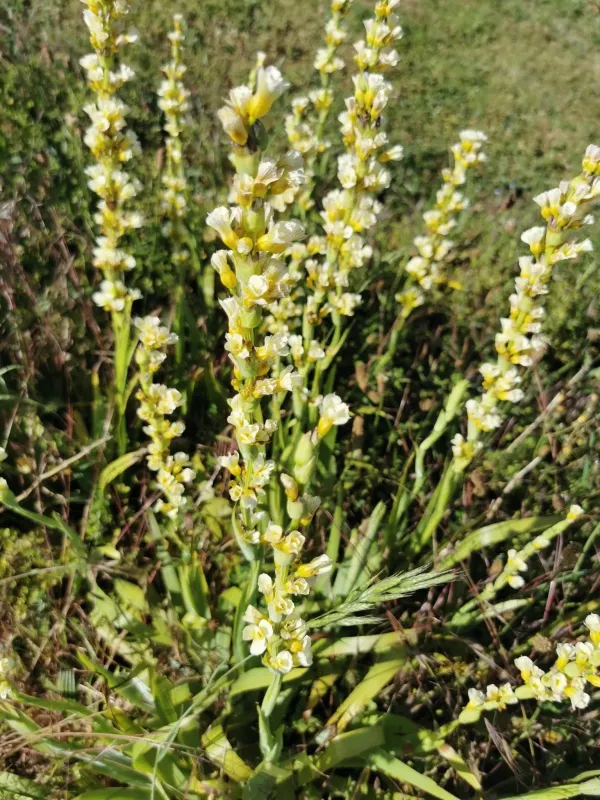
Sisyrinchium striatum, a member of the Iridaceae family, is native to South America, particularly Argentina and Chile. This hardy perennial is prized for its upright, fan-like foliage and unique spikes of pale, striped flowers.
The plant thrives in full sun, which is necessary to promote the formation of flower spikes and ensure vibrant blooming. While it can tolerate partial shade, insufficient light often results in weak stems and reduced flower production.
Well-drained, fertile soil is a strict requirement for this species. It does not tolerate heavy, waterlogged clay soils, as these conditions rapidly induce root rot. Amending the soil with grit or sharp sand is recommended in areas with poor drainage.
Regular irrigation is needed during the peak growing season to maintain soil moisture, but the surface should be allowed to dry slightly between waterings. Mature plants are somewhat drought-tolerant once they have established a deep root system.
In colder regions, provide a winter mulch of dry leaves or straw around the base of the plant to protect the crown from freezing temperatures and excess moisture during the thaw.
Main diseases and pests
Root rot is the most common disease affecting Sisyrinchium striatum, usually caused by stagnant water around the rhizomes. To prevent this, ensure that the planting site has excellent drainage and avoid overwatering during cool periods.
Fungal leaf spot can occur if the plant is kept in an environment with high humidity and poor air circulation. Removing infected foliage and thinning the plants out can help improve airflow and stop the spread of infection.
Slugs and snails are the primary pests that damage the succulent leaves of the plant. Using organic barriers like crushed eggshells or biological control methods can mitigate the damage without harming the environment.
Occasional infestations of aphids may occur on the developing flower stalks. These pests can be easily managed by washing the plants with a gentle stream of water or using an appropriate horticultural soap.
Maintaining a healthy, clean growing area free of debris helps reduce the habitat for many pests and pathogens, keeping the Sisyrinchium population strong and disease-free throughout the season.