
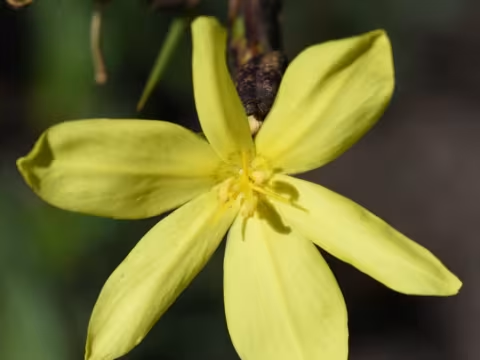
Bobartia
Bobartia
Bobartia is a genus of perennial herbaceous plants belonging to the Iridaceae family. Native exclusively to South Africa, these plants are well-adapted to the distinct climatic conditions of the Cape Floristic Region.
What the section contains


Bobartia
The botanical structure of Bobartia is characterized by stiff, grass-like leaves that are often cylindrical or flat in shape. These plants grow from underground rhizomes, allowing them to remain dormant during harsh environmental conditions.
For successful growth, Bobartia requires well-draining, sandy, or rocky soils. It is highly intolerant of waterlogged conditions, which are the primary cause of root degradation. Soil with low nutrient levels is usually sufficient for this species.
Regarding climate, Bobartia thrives in regions with Mediterranean-type climates, featuring dry summers and mild, moist winters. It is not cold-hardy, meaning it requires protection or indoor cultivation in regions prone to frost.
In terms of utilization, Bobartia serves primarily as an ornamental plant in landscape gardening. Its unique texture and drought tolerance make it an excellent choice for low-maintenance xeriscaping projects in suitable climates.
The most significant threat to Bobartia cultivation is fungal root rot caused by excessive soil moisture. Proper drainage is essential to ensure the longevity of the plant and prevent soil-borne pathogens from attacking the rhizomes.
Pests such as spider mites and thrips may infest the foliage, particularly in greenhouse or protected environments. These pests can cause discoloration and reduced vigor, requiring immediate intervention with suitable miticides or soaps.
Weed management is a critical agronomic practice during the early stages of establishment. Because Bobartia is not a fast-growing plant, it can be easily outcompeted by aggressive weeds for sunlight and nutrients.
Monitoring for signs of stress is important. Yellowing of the leaf tips or stunted growth often indicates poor soil quality or improper water management rather than a specific disease outbreak.
Preventive measures include keeping the planting area clean of debris and ensuring good air circulation around the plants. Avoiding over-fertilization is also recommended to prevent weak, succulent growth that is more susceptible to insect attacks.