
Blue-eyed grass
Sisyrinchium angustifolium Mill.
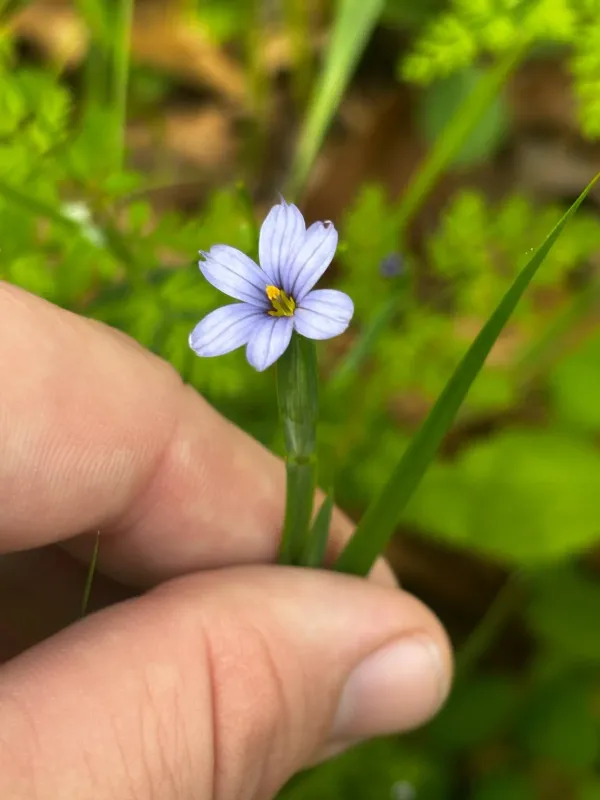
Description
Sowing dates
Seeds of Sisyrinchium angustifolium are best sown in late fall or early spring after a period of stratification. The seeds possess a hard seed coat, making pre-treatment essential for achieving uniform germination rates.
When sowing in spring, place seed trays in a well-lit environment with temperatures around 18-20 degrees Celsius. Transplanting the seedlings into the open garden is recommended in late May once frost risks have passed.
Vegetative propagation via division of established clumps is highly effective for maintaining vigor. It is recommended that gardeners divide mature plants every three to four years to prevent overcrowding.
Maintain a planting distance of approximately 20-25 centimeters between specimens. This spacing ensures proper airflow and provides enough resources for each plant to reach its full development potential.
Ensure the soil is adequately moist during transplanting to encourage rapid root establishment. Applying a thin layer of organic mulch post-planting helps retain soil moisture throughout the growing season.
Growing requirements
Blue-eyed grass is a perennial herbaceous plant belonging to the Iridaceae family, native to North America. It is widely prized in horticulture for its grass-like foliage and vibrant, star-shaped flowers.
The species thrives in sunny to partially shaded locations with moderately fertile, well-draining soil. Providing a site with good drainage is critical, as stagnant water can damage the root system.
While the plant is quite resilient, regular watering is necessary during peak growth periods, especially in areas with hot, dry summers. Maintaining a consistent moisture level enhances overall blooming performance.
In terms of fertilization, applying a balanced mineral fertilizer in early spring encourages healthy vegetative growth. Such nutrients are essential for promoting the development of numerous flowering stalks.
The plant demonstrates significant cold hardiness. In regions with harsh winters, providing a light layer of mulch or protective cover during the dormant period is advisable to prevent winter damage.
Main diseases and pests
Sisyrinchium angustifolium is generally considered a low-maintenance plant; however, improper cultivation conditions can lead to various health issues. Excessively moist soil is the primary factor contributing to disease outbreaks.
Root rot is the most common concern, often occurring in poorly drained or heavy clay soils. If symptoms of wilting appear, drainage improvements and fungicide applications may be necessary to save the plants.
Slugs and snails represent the most significant pest threats, particularly during wet seasons, as they feed on the succulent foliage. Implementing mechanical traps or using organic baits can help manage these infestations.
Aphids can occasionally cluster on flower buds, causing stunted growth or misshapen flowers. Using soft soap solutions or mild biological insecticides is typically sufficient to control these minor pest problems.
Good sanitation practices are vital for preventing disease spread. Removing dead foliage in late fall and maintaining weed-free conditions around the base of the plant significantly boosts its long-term resistance.