
Columnea microphylla
Columnea microphylla
Description
Growing requirements
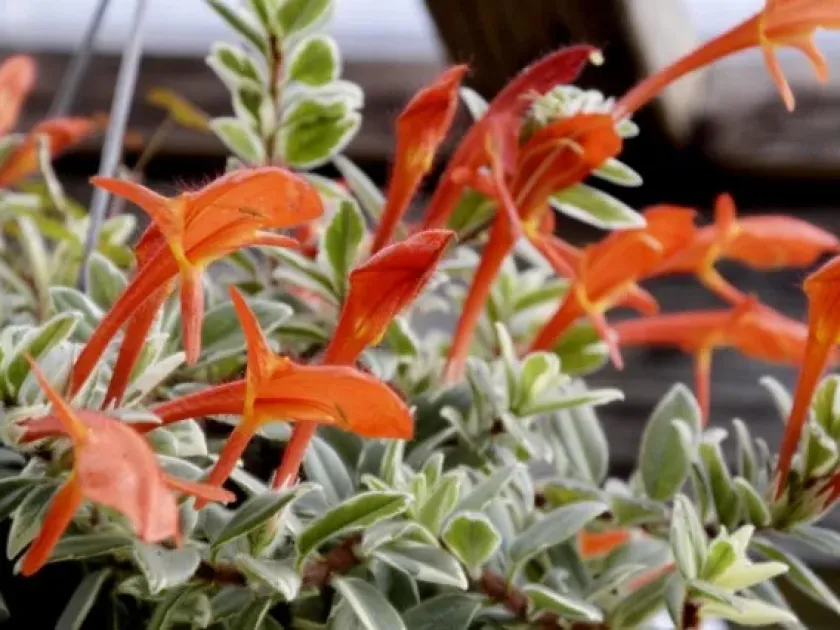
Columnea microphylla is a species of flowering plant within the Gesneriaceae family. Known for its trailing habit and delicate, small foliage, this tropical plant naturally thrives as an epiphyte in the dense forests of Central and South America, requiring specific care.
The plant performs best under bright, indirect light conditions. While it requires light to produce its characteristic vibrant flowers, direct sun exposure will cause leaf scorching. In professional cultivation, shading is employed to maintain optimal light intensity.
Temperature management is critical for success, with an ideal range between 20°C and 25°C. Columnea microphylla does not tolerate temperatures falling below 16°C for extended periods, and it is highly susceptible to cold drafts that can cause sudden foliage drop.
A well-draining, lightweight, and slightly acidic substrate (pH 5.5–6.5) is essential. Suitable growing media often include a mix of peat moss, perlite, and coniferous bark to ensure sufficient aeration for the sensitive root system, mimicking its natural epiphytic niche.
Maintaining high humidity (60–80%) is vital for the physiological health of the plant. In arid environments, growers must utilize mechanical humidification or frequent misting to replicate tropical forest conditions and prevent desiccation of the delicate stems.
Main diseases and pests
Common pests associated with this crop include spider mites, mealybugs, and scale insects. These pests thrive in stagnant air and low humidity, often colonizing the undersides of the leaves or leaf axils, which can severely stunt growth.
Root rot and Botrytis (gray mold) represent the most significant pathological threats. These are primarily caused by overwatering or insufficient drainage in the growing container. Integrated pest management should prioritize soil moisture control and adequate air circulation.