
Columnea microcalyx
Columnea microcalyx
Description
Growing requirements
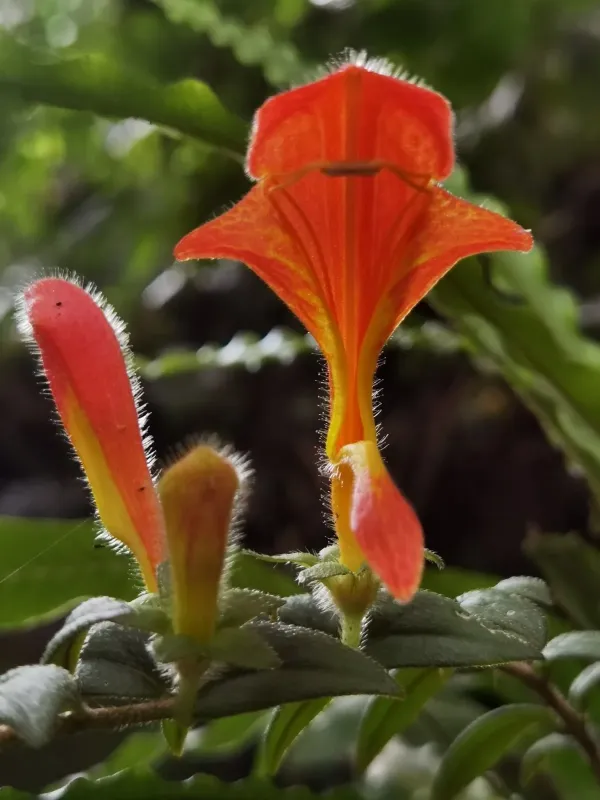
Columnea microcalyx is a distinctive member of the Gesneriaceae family, recognized for its specialized epiphytic growth habit. Native to the tropical rainforests of Central and South America, it occupies niches on tree branches where it benefits from filtered sunlight and humid environmental conditions.
In cultivation, the primary requirement for successful growth is mimicking its native habitat's environmental parameters. The plant requires high ambient humidity levels and consistent, moderate temperatures ranging from 20 to 25 degrees Celsius, ensuring optimal metabolic activity for the species.
Soil composition is critical for this plant because its roots are sensitive to waterlogging. A well-draining, airy medium consisting of sphagnum moss, perlite, and pine bark is highly recommended to provide the necessary structure that prevents root asphyxiation while maintaining hydration.
Lighting should be bright but filtered, as direct midday sun can severely damage the foliage. In indoor settings, placing the plant near north-facing windows or using artificial LED grow lights can help maintain its structural integrity and encourage the production of its unique, colorful flowers.
Watering practices should focus on maintaining constant but light moisture within the root zone. It is vital to use lukewarm, purified water to avoid damaging the delicate root hairs, and the potting container must always have adequate drainage holes to discharge excess fluid.
Main diseases and pests
Common pests associated with this plant include spider mites and mealybugs, which thrive in low-humidity indoor environments. Regular inspection and localized cleaning with horticultural soap are effective measures to keep pest populations under control before they cause significant damage.
Root rot is the most serious disease threat, typically caused by poor soil drainage or excessive watering. Ensuring that the substrate remains aerated and never sits in standing water is the most important cultural practice to prevent fatal fungal colonization of the root system.