
Zeltnera calycosa
Zeltnera calycosa
Description
Growing requirements
Zeltnera calycosa is a member of the Gentianaceae family, a group of plants often known for their aesthetic and ecological importance. It is native to North America, flourishing in specific habitats such as damp meadows and riverbanks.
The plant requires full sun to partial shade for optimal growth. It is highly adapted to moist soil conditions, provided that the soil structure allows for adequate drainage to prevent root issues.
Regarding soil preferences, it thrives in sandy or loamy soils with a neutral to slightly acidic pH. Incorporating organic matter into the soil profile can improve moisture retention without compromising aeration.
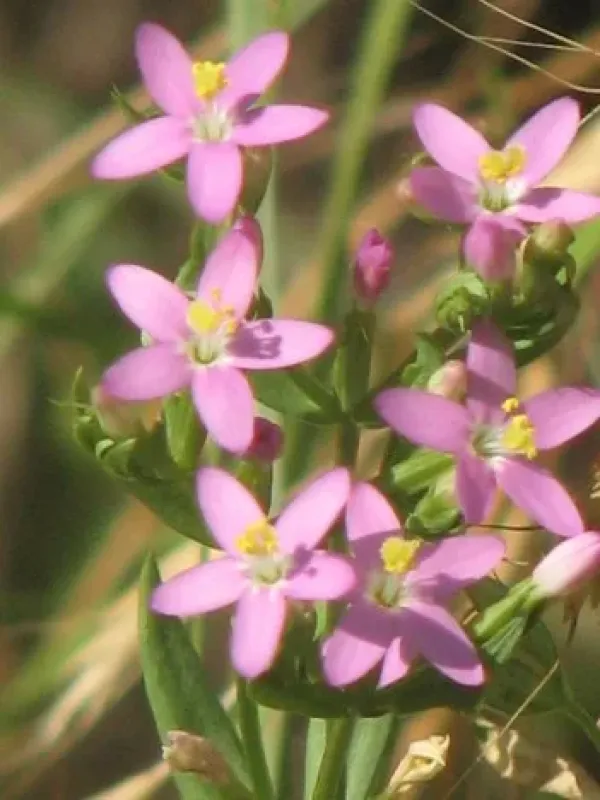
Botanically, it features a branching stem with opposite leaves and distinct, cup-shaped flowers. The life cycle is annual, meaning the plant relies on consistent seed production for population sustainability.
While not a major commercial crop, it is widely valued in conservation projects and native plant landscaping for its ability to stabilize soil and support local insect populations.
Main diseases and pests
Fungal pathogens represent the most significant threat, particularly in environments with poor drainage and high humidity. These conditions promote root and stem rot during early growth stages.
Pest pressure from aphids and mites can be managed through regular monitoring. It is essential to detect infestations early to prevent damage to the delicate foliage and flower structures.
Weed management is critical for the survival of this species. Since it is not a highly competitive plant, invasive weeds can quickly outgrow and shade it out.
Abiotic stresses, such as extreme drought or compacted soil, drastically reduce the vitality of Zeltnera calycosa. Maintaining a stable, moist microclimate is key to successful development.
Good horticultural practice involves using clean seeds and ensuring that the planting area is properly prepared to minimize the carry-over of soil-borne pathogens from previous cycles.