
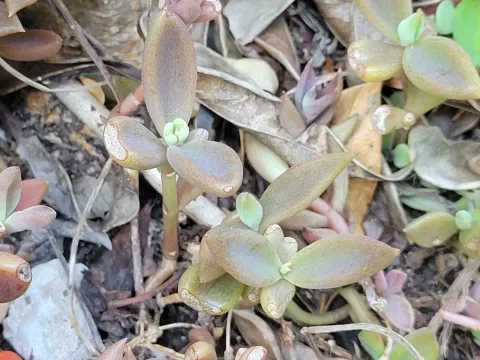
Lenophyllum
Lenophyllum
Lenophyllum is a genus of succulent plants belonging to the Crassulaceae family. Native to the arid regions of northern Mexico and Texas, these plants have evolved specialized physiological mechanisms to survive in environments with high solar radiation and irregular precipitation patterns.
What the section contains


Lenophyllum
The morphology of Lenophyllum includes fleshy, succulent leaves often arranged in rosettes or along branching stems. They possess a thick epidermis and stomatal regulation that allows for crassulacean acid metabolism (CAM), ensuring survival during prolonged droughts by minimizing water loss.
Successful cultivation requires a highly porous, inorganic-based substrate. A mixture consisting of coarse volcanic sand, pumice, and a small fraction of organic potting soil is ideal to ensure that the water drains away from the root collar within minutes after irrigation.
Environmental conditions must prioritize high light intensity. In a greenhouse setting, Lenophyllum thrives in full sun, which promotes compact growth and enhances the development of pigments that give the leaves their characteristic coloration, often shades of green, red, or bronze.
Temperature management involves maintaining warm daytime temperatures between 22 and 28 degrees Celsius during the active growing season. A significant diurnal temperature fluctuation is beneficial, mimicking the natural desert conditions these plants are accustomed to.
The primary threats to Lenophyllum health are pathogens associated with excessive soil moisture. Root rot is the most common cause of plant failure, frequently resulting from improper drainage or container selection that does not allow for sufficient aeration of the root system.
Pest pressure often comes from sap-sucking insects like mealybugs and spider mites. Mealybugs tend to congregate in leaf axils, drawing nutrients and secreting honeydew, which can further attract secondary fungal infections like sooty mold on the leaf surfaces.
Control strategies for pests include spot-treating with isopropyl alcohol or applying systemic horticultural oils. Prevention remains the most efficient strategy, involving consistent quarantine protocols for new plants and maintaining clean, debris-free growing areas.
Over-fertilization can weaken the tissue, making the plant more susceptible to fungal attacks. It is recommended to use a low-nitrogen, high-potassium fertilizer formulated specifically for cacti and succulents, applied only during the peak of the growing season.
Cultural sanitation is vital. Removing dead, lower leaves from the base of the plant helps prevent the accumulation of moisture and organic detritus that can harbor fungal spores and provide a breeding ground for opportunistic pests.