
Lenophyllum acutifolium
Lenophyllum acutifolium
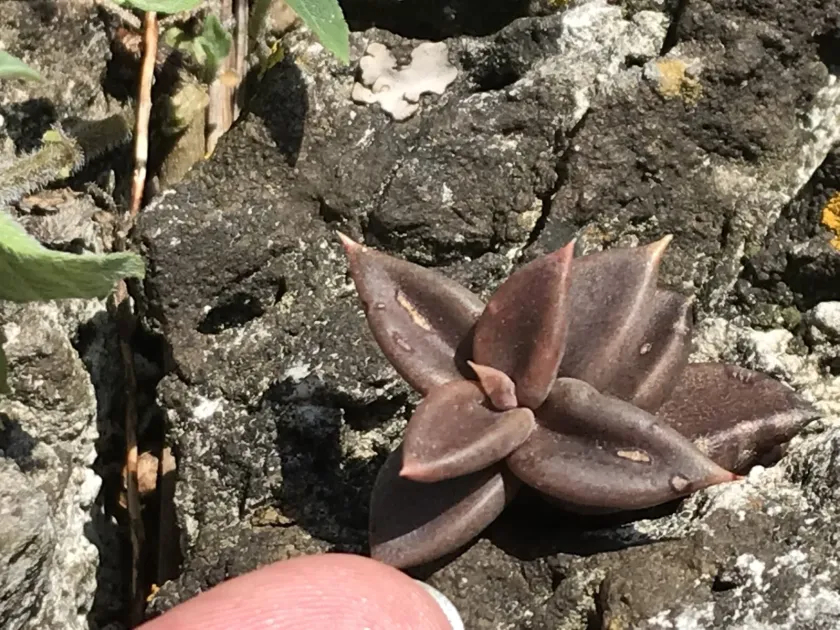
Description
Sowing dates
Propagation of Lenophyllum acutifolium is primarily achieved through stem or leaf cuttings. The most successful period for rooting is during the late spring or early summer when the plant is in an active growth stage.
Allow the cut ends of the plant to callus for several days before placing them into the substrate. This simple technique significantly reduces the risk of bacterial and fungal infections.
For seed sowing, use a porous, well-draining succulent mix. Keep the substrate slightly moist but not saturated, and maintain a consistent warm temperature until germination occurs.
Containers must have adequate drainage to prevent water accumulation. Shallow pots are usually preferred to avoid keeping excessive moisture near the root zone.
Once established, young plants should be gradually moved to brighter light conditions. Proper hardening off ensures that the succulents develop their characteristic resilience.
Growing requirements
Lenophyllum acutifolium belongs to the Crassulaceae family and is native to the arid environments of Mexico. Its succulent nature allows it to store water in its thick leaves effectively.
The plant requires bright, direct or filtered sunlight for at least six hours a day. Insufficient light results in etiolation, where the plant stretches and loses its structural integrity.
A sandy, gritty soil mix is essential for this species. It mimics the natural rock-crevice habitats where the plant typically grows and prevents moisture from clinging to the roots.
Watering should be deep but infrequent. Always ensure the soil has completely dried out before watering again to prevent root decay, which is the primary killer of this species.
Temperature management is key; the plant thrives in warm conditions but requires a cooler dormant period during winter months to initiate the next cycle of healthy growth.
Main diseases and pests
Root rot is the most common threat, usually caused by overwatering or poor drainage. Infected plants often show signs of mushy stems and dropping foliage that turns translucent.
Mealybugs are the most persistent pests for this succulent. They often hide in the tight clusters of leaves where they suck plant sap and weaken the overall structure.
Fungal leaf spot can develop if the plant is kept in high-humidity environments with poor airflow. Keeping the environment dry and well-ventilated is the best preventive strategy.
To treat infestations, apply horticultural soap or systemic insecticides formulated for succulents. Avoid spraying oily substances that could damage the natural waxy coating of the leaves.
Regular inspection of the plant's base and leaf underside is recommended. Early detection of pests or rot allows for rapid intervention and prevents the loss of the plant specimen.