
Lenophyllum texanum
Lenophyllum texanum
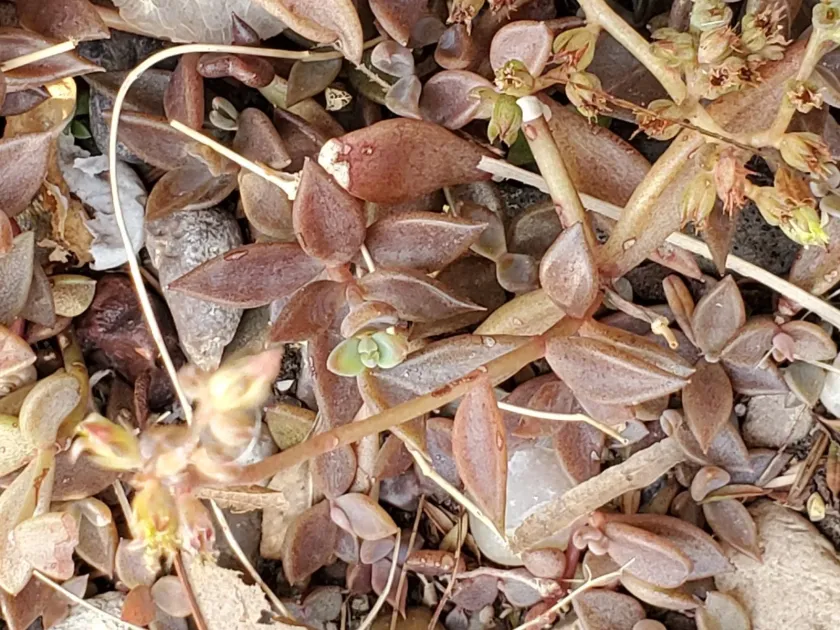
Description
Sowing dates
Lenophyllum texanum belongs to the Crassulaceae family and is known for its adaptation to arid environments. While it can be propagated from seeds, gardeners primarily utilize vegetative methods for faster results.
Seeds are extremely small and should be sown on the surface of a porous, well-draining substrate. They require light to germinate, so covering them with soil should be avoided or kept to a minimal layer of fine sand.
Spring is the ideal season for sowing, as the increasing day length and moderate temperatures promote active germination. Maintaining a stable temperature between 20 and 22 degrees Celsius is crucial during the early stages.
Propagation through leaf cuttings is the most common practice. Carefully remove a leaf, allow the cut to callus for several days in a shaded area, and then place it on a dry sandy mix to encourage root development.
Using sterile substrate is highly recommended to prevent damping-off disease in young seedlings or cuttings. Proper drainage is the most vital factor in the success of the initial growth phase.
Growing requirements
As a plant native to Texas and Mexico, Lenophyllum texanum requires high light intensity. If kept in low-light conditions, the stems tend to stretch, losing their structural integrity and unique appearance.
The soil requirement is strict: it must be inorganic and fast-draining. A mix consisting of coarse sand, pumice, and a small portion of potting soil is sufficient to keep the roots healthy and aerated.
Watering must be performed with caution. The soil should be completely dry before the next watering session. In winter, the plant enters a dormant phase and should be kept almost completely dry.
The plant prefers warm temperatures but is sensitive to frost. An indoor environment with temperatures ranging from 18 to 25 degrees Celsius during the growing season is optimal for healthy development.
Adequate ventilation is necessary to prevent heat buildup, especially in summer. The plant performs well in arid environments and does not require additional misting or high humidity.
Main diseases and pests
Root rot is the most significant threat to Lenophyllum texanum, typically caused by overwatering or poor drainage. Once the roots begin to decay, it is often difficult to save the plant from collapse.
Mealybugs are common pests that attack the plant, often hiding in the crevices between leaves. Regular inspection of the plant is recommended to spot early infestations and manually remove these insects.
Spider mites can become an issue if the ambient air remains too hot and dry for an extended period. These pests extract cell sap, causing the foliage to lose color and eventually wither.
Fungal infections can occur if the leaves remain wet for too long. It is essential to ensure that the foliage remains dry and that water is applied directly to the soil or substrate surface.
Effective pest management involves using systemic insecticides or horticultural oils, applied carefully to avoid damaging the succulent's delicate epidermis or its characteristic wax coating.