
Hylotelephium-Orostachys
Hylotelephium x Orostachys
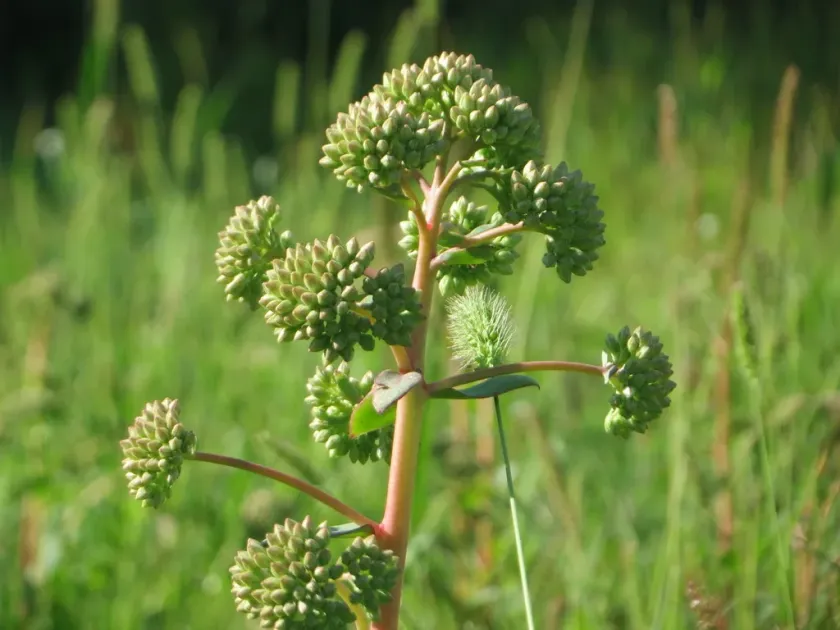
Description
Growing requirements
Hylotelephium-Orostachys represents a unique intergeneric hybrid within the Crassulaceae family. It is valued primarily for its structural beauty and extreme hardiness in dry environments.
The cultural requirements for this plant focus on excellent drainage and high mineral content in the growing medium. It thrives in gravelly or sandy soils that mimic its natural rocky habitats.
In terms of light exposure, this succulent requires full sun to maintain its characteristic compact, rosette form. Insufficient light levels often lead to etiolation, which significantly diminishes the plant's decorative appeal.
Watering strategies must be conservative. During the growing season, it is essential to allow the soil to dry out completely between waterings to prevent the development of physiological stress.
Its botanical structure includes fleshy leaves that function as storage organs for water, enabling the plant to survive prolonged periods of drought in harsh environmental conditions.
Main diseases and pests
Pathogenic threats for Hylotelephium-Orostachys are primarily related to fungal diseases such as crown rot and stem rot, which occur predominantly in waterlogged substrates.
Mealybugs are the most persistent insect pests, nesting in the tight spaces of the leaf rosettes and causing significant damage by sucking sap from the plant tissues.
Aphid infestations can also occur during periods of rapid new growth, necessitating the use of specialized systemic insecticides or targeted biological controls.
Excessive humidity in the winter months can trigger powdery mildew, which manifests as a white coating on the leaves and reduces the plant's photosynthetic efficiency.
Maintaining proper air circulation around the plants is one of the most effective ways to mitigate the risk of both pest outbreaks and fungal infections in large-scale plantings.