
Jovibarba
Jovibarba
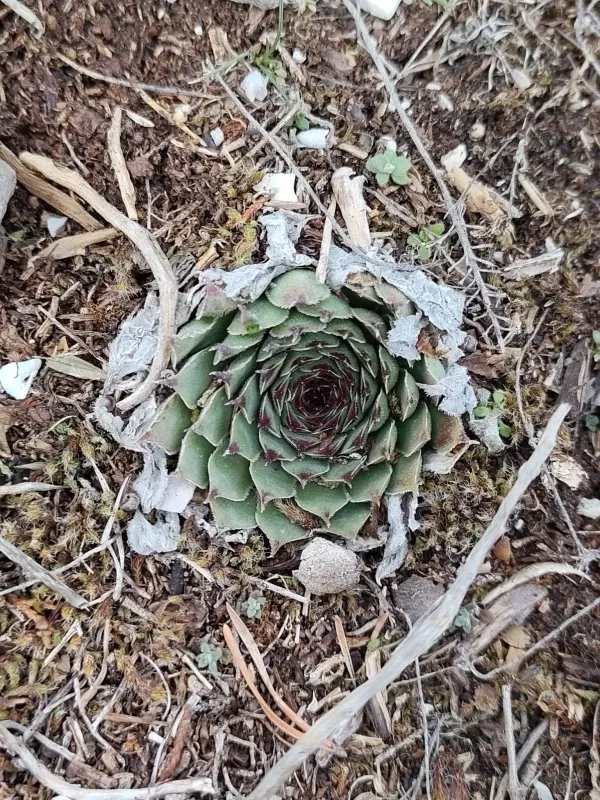
Description
Growing requirements
Jovibarba is a genus of perennial succulent plants belonging to the Crassulaceae family. These plants are characterized by their tight, rosette-forming structure, which allows them to thrive in harsh environments by storing water within their fleshy leaves.
Originating from mountainous regions in Central and Southeastern Europe, these plants are naturally adapted to rocky terrain and high-altitude slopes. Their evolutionary history makes them highly resilient to nutrient-poor environments and extreme temperature fluctuations.
The primary cultivation requirement for Jovibarba is excellent soil drainage. Growers should prioritize sandy or gritty soil mixtures that prevent any accumulation of water around the root zone, as moisture retention is detrimental to the plant's health.
These succulents require full sun exposure to maintain their compact shape and structural integrity. Cultivating them in shaded areas often leads to etiolation, where the plant stretches and loses its natural, aesthetically pleasing rosette form.
Agricultural maintenance involves minimal intervention. Given their succulent nature, they require very infrequent watering, even during the active growing season. Fertilizer use should be kept to a bare minimum, as over-fertilization can result in weak, rapid growth.
Main diseases and pests
The most significant threat to Jovibarba is the development of fungal rot in the roots and base of the rosettes. This is almost exclusively caused by overwatering or soil mixes that fail to provide adequate drainage.
Occasional infestations of mealybugs or aphids can occur, particularly in poorly ventilated greenhouse environments. Management usually involves manual removal or the application of mild, targeted insecticidal solutions when symptoms appear.