
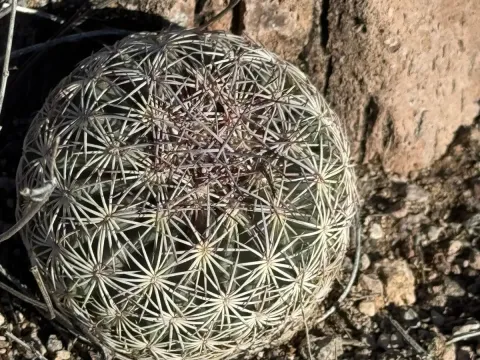
Echinomastus
Echinomastus
Echinomastus is a genus within the Cactaceae family, native to the arid desert regions of the Southwestern United States and Northern Mexico. These cacti are highly specialized to endure long periods of drought and extreme thermal fluctuations inherent to desert environments.
What the section contains


Echinomastus
The botanical structure of Echinomastus is characterized by its distinct spherical or cylindrical body, heavily armed with dense, often colorful spines. These spines are an evolutionary adaptation meant to minimize water loss and protect the succulent inner tissues from solar scorching.
Cultivation requires full sun exposure, as Echinomastus thrives when provided with intense light throughout the day. In an indoor setting, placing the plant in a south-facing window is essential to maintain its tight, compact growth habit and proper spine development.
The substrate must be highly inorganic, mimicking the rocky and sandy soils of their native habitat. A mixture containing pumice, coarse sand, and a small amount of volcanic rock is ideal to ensure the rapid drainage necessary to prevent root rot.
Watering requires strict discipline, adhering to the soak-and-dry method during the growing season. During the winter dormancy phase, the plant should remain almost completely dry to prepare for the spring flowering cycle, which is characteristic of the genus.
The most common threat to Echinomastus is root rot, typically caused by overwatering or poor drainage systems. Since these plants are sensitive to moisture in the soil, even minor waterlogging can lead to rapid degradation of the vascular system.
Pests like spider mites are prevalent in dry, indoor environments, often hiding deep within the dense spine clusters. Regular inspection is necessary, and if detected, the use of mild systemic miticides is recommended to clear the infestation.
Mealybugs can also infest the plant, usually appearing in the crevices of the tubercles. They can be effectively managed by localized application of rubbing alcohol or systemic insecticides specifically formulated for indoor ornamental succulents.
Poor ventilation during the hot summer months can encourage fungal pathogens. Ensuring consistent airflow around the plant helps keep the epidermis healthy and prevents the development of unsightly dark spots caused by moisture retention.
Preventive maintenance involves keeping the cultivation area clean and ensuring that any organic debris is removed from the surface of the soil. Establishing a regular routine of visual check-ups ensures that any potential issues are addressed before they compromise the structure of the cactus.