
Echinocactus texensis
Echinocactus texensis
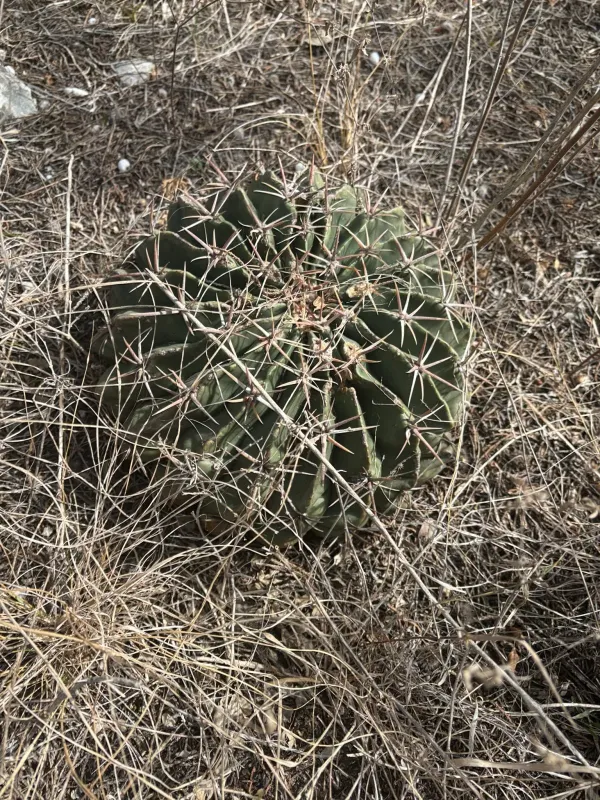
Description
Sowing dates
Propagating Echinocactus texensis from seeds requires strict temperature control, with spring being the optimal time for sowing. Seeds should be placed in a specialized mineral-based substrate with very low organic content, maintaining a soil temperature of around 25 degrees Celsius.
Seedlings of this species develop very slowly, requiring consistent but careful moisture levels to prevent root rot. The first transplanting should only be performed once the young cacti have hardened and developed visible spines, which typically takes about a year.
In commercial settings, grow lights are essential to provide sufficient light intensity during the initial growth stages. Proper lighting prevents etiolation and ensures that the young plants develop a robust and compact structure from the very beginning.
Using sterile containers is crucial to prevent the onset of damping-off disease, which can quickly decimate a tray of seedlings. A well-draining bottom layer of gravel or perlite is non-negotiable for the healthy development of the primary root system.
Gradual acclimatization to direct sunlight is necessary after the seedlings have grown sufficiently. Sudden exposure to intense UV light can cause irreversible burns on the succulent tissues of young specimens, leading to stunted growth.
Growing requirements
Echinocactus texensis is a desert native that demands high light intensity throughout the year. It should be placed in a location where it receives direct sunlight for the majority of the day, which is vital for maintaining its characteristic shape and spine development.
The soil must be highly porous and inorganic, typically consisting of coarse sand, perlite, and small grit. This composition ensures that water drains rapidly, preventing any risk of waterlogging, which is the leading cause of mortality for this species.
A distinct winter dormancy period is essential for the health of the plant. During this phase, temperatures should be kept cool, ideally between 10 and 12 degrees Celsius, and watering should be almost entirely suspended to simulate the natural desert winter.
Watering during the growing season must be moderate and performed only after the substrate has dried out completely. Always use soft, room-temperature water to avoid mineral buildup on the surface of the plant epidermis, which can lead to unsightly spots.
Good air circulation is vital for these cacti, especially in greenhouse conditions where humidity can rise. Proper ventilation mimics the natural winds of the arid environments where these plants thrive and helps prevent fungal pathogens from settling on the stems.
Main diseases and pests
Root and stem rot remain the most significant threats to Echinocactus texensis, usually triggered by improper watering schedules or poor soil drainage. Once these pathogens take hold, they are often fatal, making preventative measures like careful watering critical.
Mealybugs are the most common pests that infest these cacti, hiding in the crevices between the ribs and around the base of the spines. Regular inspections and the use of insecticidal soap or specialized systemic pesticides are required to keep colonies in check.
Spider mites can become a major issue in environments with very low humidity and poor ventilation. These microscopic pests leave fine webs and cause stippling on the plant surface, requiring the prompt application of acaricides to protect the integrity of the plant.
Scale insects can also attach themselves to the stems, protected by their hard shells, which makes them resistant to standard contact treatments. Systemic pesticides absorbed by the plant are the most effective solution for dealing with these persistent invaders.
Sunburn is a non-infectious physiological disorder that often occurs when plants are moved to high-light environments without proper hardening off. Ensuring a gradual transition to bright sun is key to maintaining the plant’s health and aesthetic appeal.