
Echinocactus polycephalus
Echinocactus polycephalus
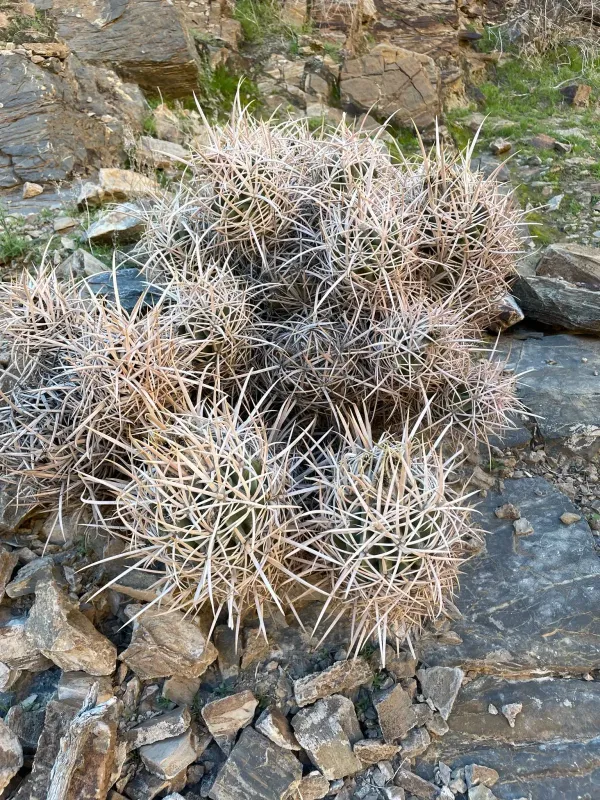
Description
Sowing dates
Sowing seeds of Echinocactus polycephalus should be performed in the early spring to maximize the length of the growing season for seedlings.
Seeds require a well-draining mineral-based substrate, avoiding any high-peat mixtures that retain moisture for too long.
Consistent temperature control is essential, with daytime warmth and cooler nights mimicking the diurnal desert cycle.
Light is critical; seeds should be sown on the surface or barely covered to ensure proper germination under bright light conditions.
The use of heated propagation mats can significantly increase germination rates by maintaining the soil temperature at a constant level.
Growing requirements
Echinocactus polycephalus is a member of the Cactaceae family, known for its distinct multi-headed habit and fierce spination.
The plant demands full sun exposure throughout the day, as reduced light levels lead to etiolation and weak, vulnerable growth.
Soil requirements focus on extreme drainage; a mix of coarse gravel, volcanic rock, and sand is highly recommended for container cultivation.
Watering must be strictly seasonal, with a complete cessation of moisture during the dormant winter months to prevent freezing damage.
Good ventilation is vital to mimic the natural wind exposure of the Mojave and Sonoran deserts, ensuring the plant stays dry and healthy.
Main diseases and pests
Root rot caused by overwatering remains the primary threat to this species, often resulting in sudden collapse of the stems.
Mealybugs are common pests that tend to hide within the dense spines, making them difficult to detect until an infestation is severe.
Spider mites can rapidly damage the epidermis in dry, indoor conditions, leading to unsightly scarring that never disappears.
Fungal pathogens often invade through minor mechanical injuries or cracks caused by rapid expansion after long periods of drought.
Strict hygiene, such as using sterilized potting tools and quarantine for new plants, is necessary to maintain a healthy collection.