
Echinomastus mariposensis
Echinomastus mariposensis
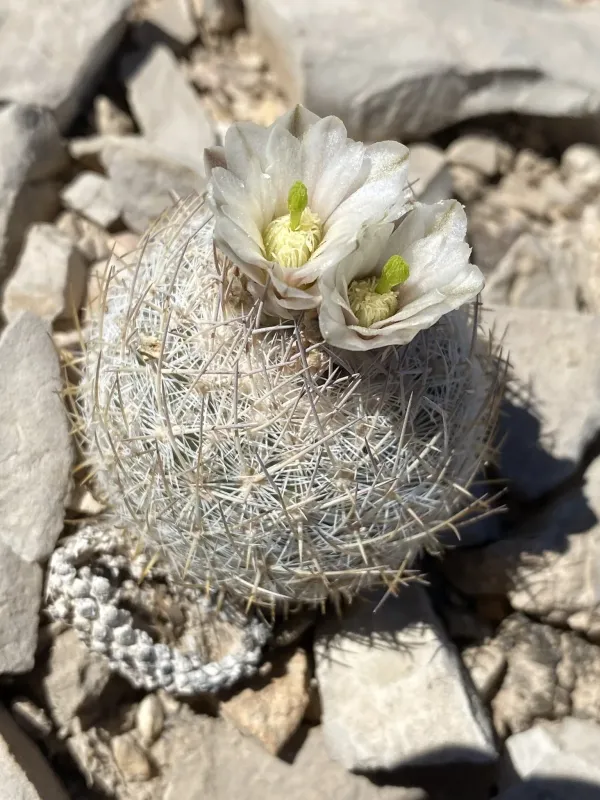
Description
Growing requirements
Echinomastus mariposensis belongs to the Cactaceae family and is native to the Chihuahuan Desert, spanning regions between Texas and Mexico. It is a slow-growing, spherical cactus prized for its intricate spine structure and aesthetic value.
The cultivation of this species requires a highly porous mineral substrate, typically composed of limestone chips, coarse sand, and a minimal amount of pumice. The soil must be completely inorganic to replicate its native harsh environment and prevent root rot.
Lighting is a critical factor for success. This plant requires full, direct sunlight throughout the day to maintain its natural shape and density. Inadequate light results in etiolation, which permanently ruins the plant's structural integrity.
Watering requirements are strictly seasonal. During the growing season, deep watering is applied only after the substrate has dried out completely. In winter, the plant must be kept bone dry and cool to simulate a natural dormancy period.
In terms of agricultural use, this plant is strictly ornamental, intended for specialized collections and botanical gardens. It demands high precision in climate control and substrate preparation, making it a challenge for even experienced growers.
Main diseases and pests
The primary threat to Echinomastus mariposensis is root rot, caused by poor drainage or excessive humidity. Once the vascular system is compromised by fungal pathogens, the cactus usually succumbs rapidly.
Common pests include mealybugs and spider mites, which congregate in the dense spines, making them difficult to detect. These pests weaken the plant, opening pathways for secondary infections in the soft stem tissues.
Regular monitoring of the root zone and the stem base is essential. Any signs of discoloration or softening should be treated immediately with sterile cutting tools to remove infected areas, followed by fungicide application.
Environmental stress from sudden changes in light or temperature can also induce physiological issues. Sunburn is common if the plant is moved from a low-light environment to direct summer sun without a gradual hardening period.
Preventative care is far more effective than curative measures for this sensitive species. Maintaining clean greenhouse conditions and ensuring optimal airflow are the best ways to protect the plant from common cactus ailments.