
Echinomastus erectocentrus
Echinomastus erectocentrus
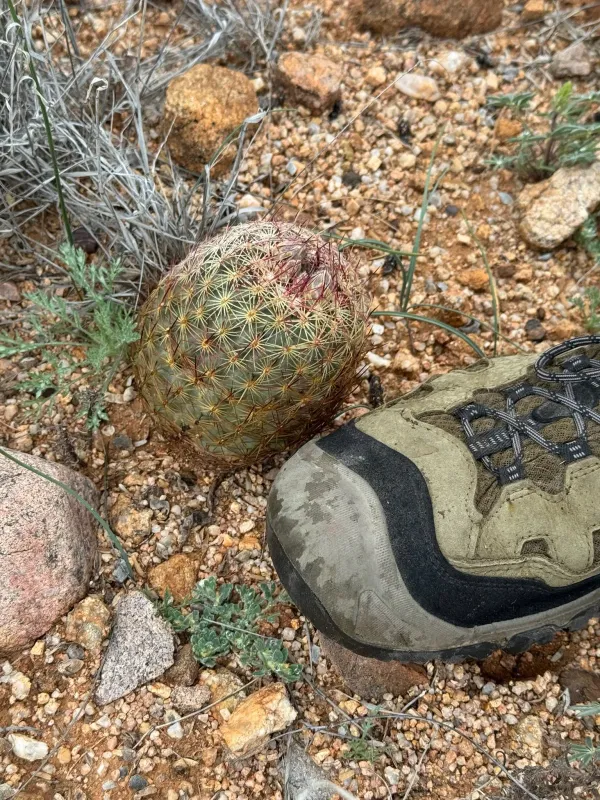
Description
Sowing dates
Sowing seeds of Echinomastus erectocentrus is best performed during spring to take advantage of natural temperature increases. A temperature range of 22–25 degrees Celsius is optimal for high germination rates.
The substrate for sowing must be purely mineral, fine-textured, and extremely well-draining to prevent damping off. Seeds should be sown on the surface and pressed slightly into the substrate.
High humidity is essential during the initial weeks, maintained by keeping the container covered. As seedlings emerge, the container must be gradually exposed to drier air to acclimate the plants.
Growth of the seedlings is notoriously slow, requiring long-term patience from the grower. It is advised to avoid disturbing the young plants until they have developed a robust root system.
Standard horticultural practice suggests using a fungicide-treated substrate to protect the vulnerable young seedlings from common fungal pathogens present in the environment.
Growing requirements
Echinomastus erectocentrus is a desert species native to the southwestern United States. It belongs to the Cactaceae family and is highly adapted to extreme arid conditions with rocky, impoverished soils.
For successful cultivation, full sun exposure is a non-negotiable requirement. Without significant daily light intensity, the cactus will fail to develop its characteristic stiff and colorful spine formation.
The soil medium must be highly porous, typically composed of a mix of coarse sand, pumice, and crushed gravel. Organic components should be kept to a absolute minimum to prevent decay.
Watering must strictly follow the seasonal cycle, with active watering only during the growth phase. Deep but infrequent watering followed by a drying period is the standard professional approach.
Winter care requires a completely dry environment coupled with temperatures that allow for a dormancy period. This seasonal variation is crucial for the plant to produce flowers in the following season.
Main diseases and pests
The primary threat to Echinomastus erectocentrus is root rot induced by improper irrigation techniques or water-retentive soils. Once rot establishes, the plant is extremely difficult to salvage.
Mealybugs are a frequent pest that can colonize the dense crown of the cactus. These insects are hard to reach, requiring targeted treatments and mechanical cleaning to remove infestation.
Spider mites can become a problem in dry, stagnant air conditions. Their presence is often detected by a dull, mottled appearance on the skin of the plant, requiring immediate acaricide application.
Over-fertilization can lead to weak, elongated growth that is susceptible to bacterial infections. A minimalist approach to nutrition is generally preferred for desert species.
Proper airflow is the most effective preventative measure against various surface molds. Ensuring that the plant is never placed in a stagnant, humid microclimate is essential for long-term health.