
Acanthocephala graessneri
Acanthocephala graessneri
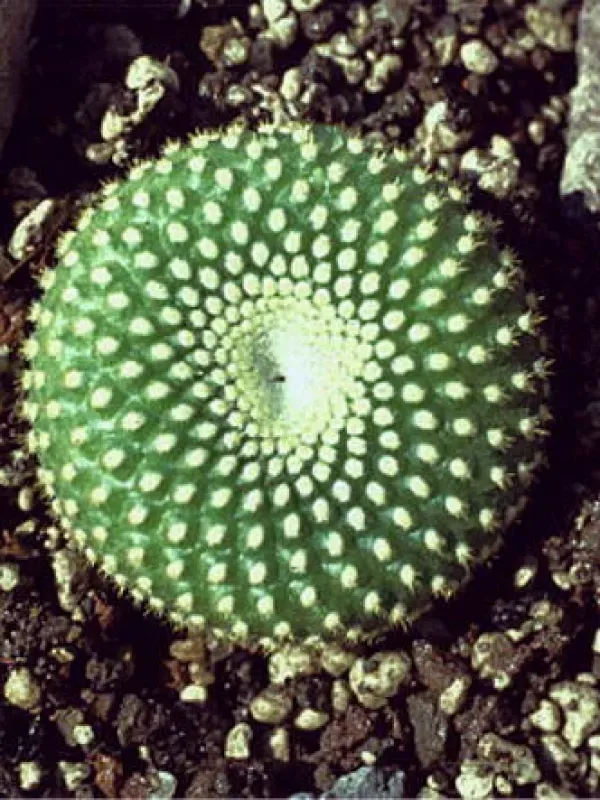
Description
Sowing dates
Acanthocephala graessneri is a unique agricultural crop that requires precise timing for successful establishment. The ideal sowing window occurs when soil temperatures stabilize between 12 and 14 degrees Celsius, ensuring optimal metabolic conditions for germination.
To maximize success, seeds should undergo stratification if stored in dry conditions for long periods. Careful placement at a depth of 2 to 3 centimeters is essential to allow for rapid seedling emergence while preventing depletion of the endosperm reserves.
Uniform stand density is critical for yield performance. Agronomists recommend a density of 40 to 60 plants per square meter, which reduces competition for light and nutrients while ensuring enough airflow to prevent fungal proliferation.
The use of precision planters is highly encouraged to ensure consistency in spacing and depth. This mechanical approach not only reduces labor costs but also leads to more predictable growth patterns across the entire field.
Avoiding frost risk is paramount, as young seedlings of Acanthocephala graessneri are susceptible to low-temperature shock. Sowing should ideally align with the end of spring frost risks in the specific cultivation region.
Growing requirements
This crop thrives in well-structured, loamy soils that possess high organic matter content. Maintaining a neutral soil pH is necessary to ensure the bioavailability of essential microelements throughout the growing season.
Adequate moisture management is the most important factor in site preparation. While the crop requires consistent hydration, it is highly sensitive to waterlogging, which often leads to root collar necrosis and oxygen starvation in the rhizosphere.
The optimal temperature range for the active growth phase is between 18 and 25 degrees Celsius. Exceeding these temperatures can lead to premature senescence, necessitating shading techniques or the application of anti-stress formulations.
Regular nutrient monitoring is essential, particularly for nitrogen and phosphorus, which drive biomass production. Split application of fertilizers is recommended to match the plant's needs during different growth stages.
Good lighting conditions are a prerequisite for quality yield. Fields should be situated in open areas free from shadows cast by shelterbelts or structures, as insufficient light will weaken the plant's structural integrity.
Yield
Yield potential of Acanthocephala graessneri is closely linked to the precision of seasonal care. In optimized cultivation environments, the crop can produce significant quantities of high-quality raw materials suitable for industrial processing.
Harvest timing is a critical decision based on the concentration of bioactive compounds. Monitoring plant phenology is essential, as the window for peak yield quality is often brief and must not be missed to maintain market standards.
Productivity fluctuations are usually a result of water stress or nutrient imbalances during the flowering stage. Proactive management strategies, such as irrigation scheduling, are effective in stabilizing yields against seasonal variability.
Post-harvest quality assessment is conducted to sort produce by grade. This categorization helps farmers secure better market prices based on the chemical and physical characteristics of the harvested batch.
Consistent productivity requires a multi-year strategy, including the selection of resilient varieties. By focusing on site-specific management, growers can ensure stable economic performance year after year.
Main diseases and pests
Fungal pathogens represent the primary threat to this crop, particularly during periods of high humidity and poor soil drainage. Root-rotting fungi can decimate stands if early signs of disease are ignored.
Pest populations such as aphids and leaf-eating insects require vigilant scouting. Implementing integrated pest management, including natural predators and selective biological controls, is preferred over broad-spectrum chemical interventions.
Strict crop rotation practices are the best defense against soil-borne pathogens. A minimum three-year interval between plantings of the same crop helps break the life cycles of pests and maintains soil health.
- Sanitizing machinery to prevent the spread of pathogens.
- Regular weeding to reduce competition and insect habitat.
- Proactive soil testing for early detection of nutrient depletion.
In cases of severe infestation, systemic fungicides may be necessary, but application should always be targeted. Minimizing chemical residue is essential to meet modern safety standards for agricultural products.
Harvesting
Mechanized harvesting is the standard approach for this crop to maintain high throughput and efficiency. Specialized equipment adjustments are necessary to ensure that the harvest mechanism does not cause mechanical damage to the product.
After harvesting, the material should be cleaned and sorted immediately to remove foreign matter. This stage is vital for reducing potential spoilage during storage and ensuring that the final product meets commercial requirements.
The storage environment must be cool and dry, with excellent ventilation to prevent heat buildup and moisture condensation. Properly controlled storage conditions significantly extend the shelf life of the harvested goods.
Quality checks are performed at the point of delivery to ensure compliance with national standards. This process often includes testing for contaminants to guarantee product safety and consumer trust.
Efficient post-harvest logistics, including rapid transportation, are essential to minimize the time between harvest and processing. This final link in the supply chain is crucial for capturing the maximum value from the crop.