
Acanthocalycium haselbergii
Acanthocephala haselbergii
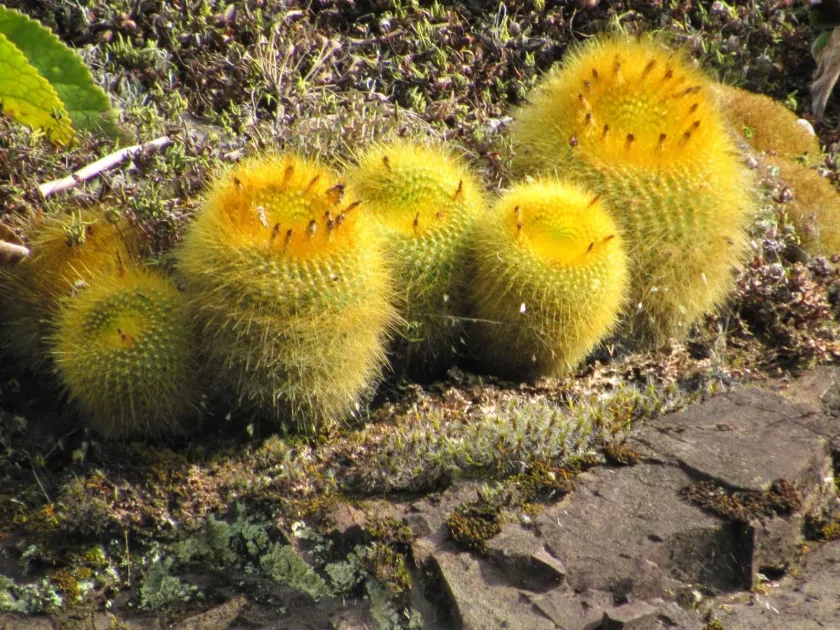
Description
Sowing dates
The propagation of Acanthocalycium haselbergii is typically carried out via seeds or by detaching offsets from the mother plant. Seeds should be sown in a sterile substrate consisting of sand and peat during the spring season, at a stable temperature of approximately 22–25 degrees Celsius.
For successful germination, it is crucial to maintain high air humidity by covering the pots with glass or transparent plastic film. Regular ventilation of the mini-greenhouse is essential to prevent mold and rotting on the surface of the growing medium.
Pricking out the young seedlings should be performed once they reach the size of a small pea, usually 3–6 months after sowing. When transplanting, it is important to avoid direct sunlight for the first few weeks to allow the young plants to establish.
Vegetative propagation via offsets is conducted during the summer. The detached offset must be dried for several days until a callus forms at the cut site before being placed into moist sand to promote root growth.
The optimal time for any transplanting or propagation activity is the active growing period, which typically spans from late March through September.
Growing requirements
This plant prefers well-lit areas but requires shade from intense afternoon sun, which can cause severe burns on the cactus skin. East or west-facing windows are usually ideal for this species.
The soil mixture must be slightly acidic, porous, and provide excellent drainage. Experienced agronomists recommend a mix of leaf mold, turf, and coarse sand with the addition of fine brick chips.
Watering requirements are based on the principle of moderation: during the summer months, water only after the top layer of the substrate has dried out completely. During the dormant period, from November to February, watering should be almost entirely suspended.
The cactus is sensitive to moisture stagnation in the root system, making a thick layer of expanded clay drainage at the bottom of the pot a mandatory condition for preventing root rot.
Regular air circulation is essential for maintaining plant health. In summer, it is recommended to keep the cacti outdoors, provided they are shielded from direct rainfall and strong winds.
Main diseases and pests
The primary pests affecting this species are spider mites, which frequently appear in dry air, and mealybugs, which hide deep between the spines of the cactus.
When exposed to excessive soil moisture and low temperatures, the plant is susceptible to fungal diseases such as dry or wet stem rot, which can destroy the cactus very quickly.
To combat insects, systemic insecticides and acaricides should be used. It is vital to treat the entire plant collection immediately upon detecting the first signs of infestation.
Fungal prevention relies on strictly maintaining a proper watering schedule and using high-quality fungicides during planting. Additionally, one should ensure that dust does not accumulate on the stem, as it can harbor fungal spores.
If the root system is damaged, the plant requires an immediate transplant, involving the removal of all decayed sections and the disinfection of cuts with crushed charcoal.