
Deparia
Deparia
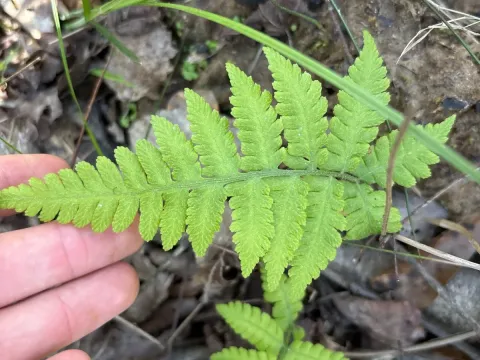
Deparia is a genus of ferns belonging to the Athyriaceae family. These plants are native primarily to Asia, but their range extends to parts of the Americas and various Pacific islands.
What the section contains


Deparia
Successful cultivation requires moist, fertile, and well-drained soils rich in organic matter. A humus-rich substrate with a slightly acidic to neutral pH is ideal for maintaining vigorous growth.
The plant thrives in shaded or semi-shaded environments, avoiding direct sunlight which can scorch the delicate fronds. Gardeners often place them in woodland garden settings to mimic their natural habitat.
Consistent moisture is the most critical factor in Deparia care. The root system must remain damp at all times, making regular watering essential during dry seasons to ensure the plant does not stress.
In terms of climate, many species are adapted to temperate regions. During the dormant winter season, applying a thick layer of mulch around the base helps protect the rhizomes from freezing temperatures.
Deparia ferns are generally hardy, but they are susceptible to root rot if the soil remains waterlogged for extended periods, encouraging various soil-borne pathogens.
Slugs and snails are the most common pests, frequently feeding on the tender young fronds. Their presence can significantly reduce the ornamental value of the fern foliage.
When grown in conditions with poor airflow or low humidity, spider mites or mealybugs can occasionally infest the plant, necessitating immediate management.
Integrated pest management, including physical removal of mollusks and maintaining good cultural practices, is the most effective way to keep the plants healthy.
Regular monitoring of the fronds and ensuring proper plant spacing will prevent most disease outbreaks and allow for better air circulation throughout the foliage.