
Gymnocarpium jessoense
Gymnocarpium jessoense
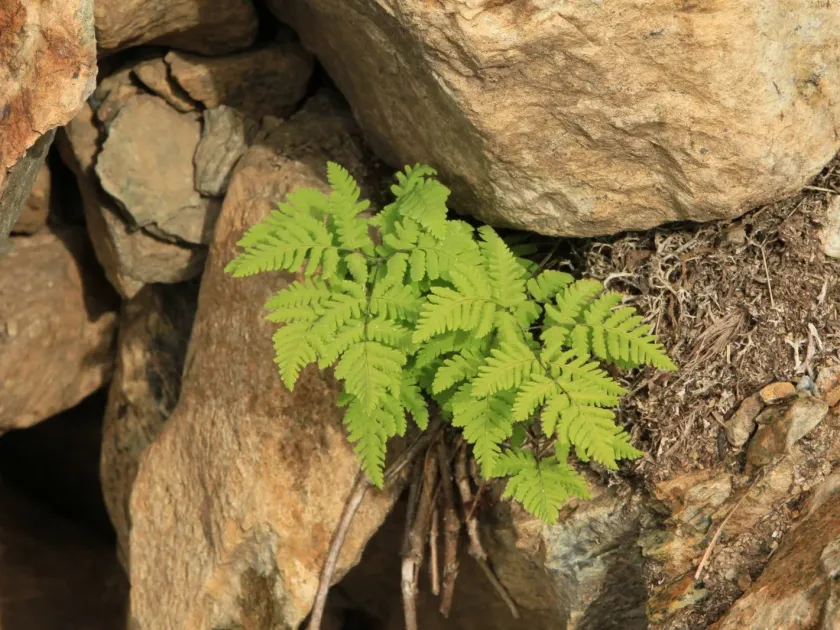
Description
Growing requirements
Gymnocarpium jessoense is a perennial fern species belonging to the Cystopteridaceae family. It is naturally distributed across the temperate forests of Asia and parts of North America, where it typically thrives in shaded, cool microclimates.
The plant demonstrates a strong preference for deep to partial shade. In an agricultural or garden setting, placing this fern under the canopy of trees or in North-facing spots is essential to protect its delicate fronds from heat stress and sun-induced desiccation.
Regarding soil requirements, the species flourishes in loose, well-draining, and humus-rich substrates. It is particularly fond of slightly acidic soils, reflecting its evolutionary adaptation to the forest floor litter and decaying organic matter.
Constant, moderate moisture is the key to a healthy stand of Gymnocarpium jessoense. While it needs consistent hydration, the plant is intolerant to waterlogged soils, which can induce rapid rhizome rot during the dormant or growing season.
This fern is noted for its exceptional winter hardiness. It survives freezing temperatures by retreating into its underground rhizomes, making it a reliable choice for cultivation in cold-climate regions where other more sensitive ornamental plants might fail.
Main diseases and pests
Slugs and snails are the most significant pests for this fern, especially during the spring when the fronds are unfurling. These mollusks can rapidly defoliate patches if not managed through manual collection or ecological barrier methods.
Fungal pathogens such as leaf spot diseases can affect the foliage during periods of stagnant air and high humidity. Proper spacing and ensuring good airflow around the plants are primary cultural practices to minimize these risks.
Root rot is a critical threat typically caused by excessive irrigation or poor drainage. Once established in the rhizome system, this type of infection is difficult to treat, often requiring the complete removal of the affected individual plant.
Mechanical damage to the shallow root system poses a risk during soil maintenance. Given that the plant spreads via lateral rhizomes, any aggressive digging near the plant base can cause significant physiological stress and invite opportunistic infections.
Weakened plants may become susceptible to secondary infestations by soil-dwelling larvae. Ensuring a healthy, balanced soil ecosystem through the use of organic mulch helps in maintaining the plant's natural resistance to most environmental stressors.