
Deparia lancea
Deparia lancea
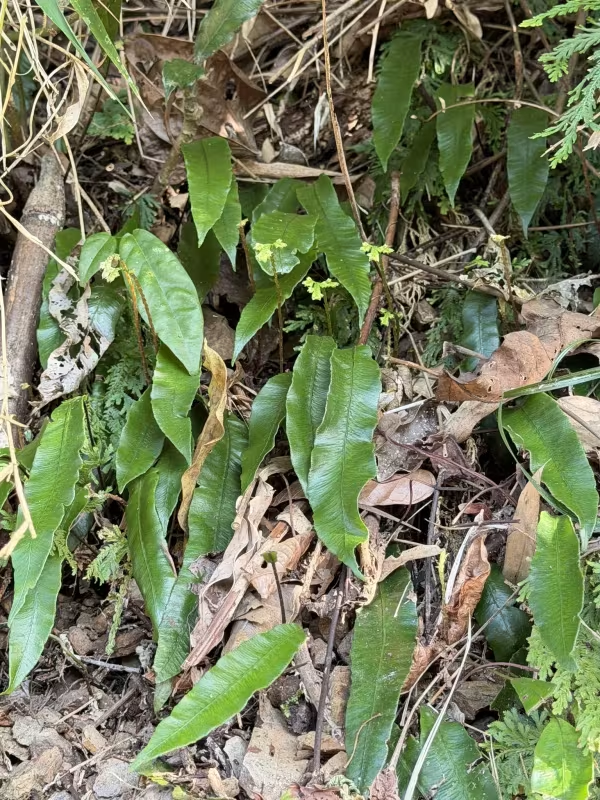
Description
Growing requirements
Deparia lancea is a perennial fern species belonging to the Athyriaceae family. It is native to the temperate regions of East Asia, thriving primarily in damp, shaded environments such as forest understories and mountain slopes.
Botanically, this fern is characterized by its distinct lance-shaped fronds that arise from creeping rhizomes. Its structure provides a delicate, lacy texture, making it a popular choice for collectors of ornamental ferns in shade gardens and specialized landscapes.
To cultivate Deparia lancea successfully, gardeners must mimic its natural habitat. This means providing consistently moist soil that is rich in organic matter. A soil pH ranging from slightly acidic to neutral is considered ideal for optimal nutrient uptake.
Temperature management is critical, as the plant prefers cool to moderate environments. It does not tolerate prolonged drought or intense, direct afternoon sunlight, which can cause severe physiological stress and scorching of the fronds.
Regarding its utility, the species is predominantly used for decorative purposes. Its growth habit makes it excellent for ground cover in shady borders, rock gardens, or as a component in mixed woodland-style plantings.
Main diseases and pests
The primary threats to Deparia lancea include soil moisture extremes. Waterlogged conditions can lead to root rot, which is often fatal if not caught in the early stages of the disease.
Gastropods, specifically slugs and snails, represent the most significant pest pressure for this plant. They frequently target new, emerging fronds during spring, causing unsightly irregular holes and loss of foliage.
Fungal infections, such as leaf spot or powdery mildew, may occur if the plant is grown in environments with poor air circulation and excessive ambient humidity. Proper spacing is essential for plant health.
Aphid infestations can occur in indoor settings or greenhouses, where natural predators are absent. Regular monitoring of the undersides of the fronds is recommended for early detection.
Lastly, nutritional deficiencies caused by depleted soil can result in stunted growth and chlorosis. Annual top-dressing with leaf mold or well-rotted compost helps maintain the vigor of the fern.