
Blechnum triangularifolium
Blechnum triangularifolium
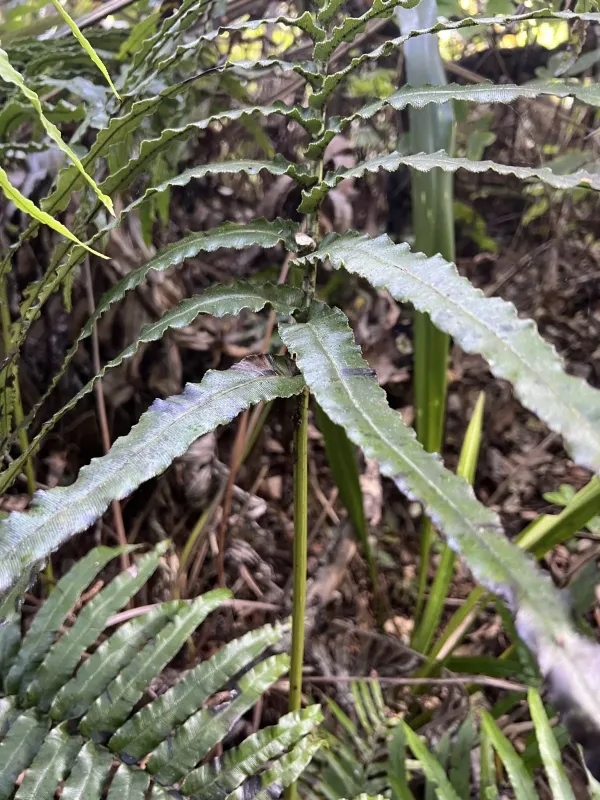
Description
Growing requirements
Blechnum triangularifolium is a distinctive fern belonging to the Blechnaceae family. This species is highly valued for its unique triangular-shaped fronds and requires specific environmental parameters to thrive in a controlled setting.
The natural habitat of this fern suggests a preference for high humidity, typically ranging from 70% to 80%, and protection from direct sunlight which can easily scorch its delicate foliage.
Regarding soil requirements, the fern demands a well-draining, loose substrate composed of organic matter such as peat, perlite, and pine bark to ensure proper root aeration and moisture retention.
Consistent watering is essential, aiming to keep the medium moist to the touch without ever allowing it to become waterlogged, which is the primary cause of root failure in this genus.
Temperature management should focus on avoiding extremes, keeping the environment between 20°C and 24°C during the day, and ensuring the nights remain cool but free from frost.
Main diseases and pests
Common pests affecting Blechnum triangularifolium include spider mites and scale insects, which often thrive when the ambient humidity drops below the recommended threshold for the plant.
Fungal issues, particularly root rot, represent the most significant threat to the plant's health, often caused by over-irrigation or lack of adequate drainage in the container system.
To prevent these issues, it is critical to maintain proper air circulation around the base of the plant and ensure that irrigation water is applied directly to the soil rather than the crown.
Monitoring the undersides of the fronds is a necessary weekly practice to detect early signs of infestation and prevent large-scale colonization by pests.
If chemical intervention is necessary, growers should select fungicides and acaricides specifically tested for safety on delicate ferns to avoid toxicity or leaf necrosis.