
Deparia petersenii
Deparia petersenii
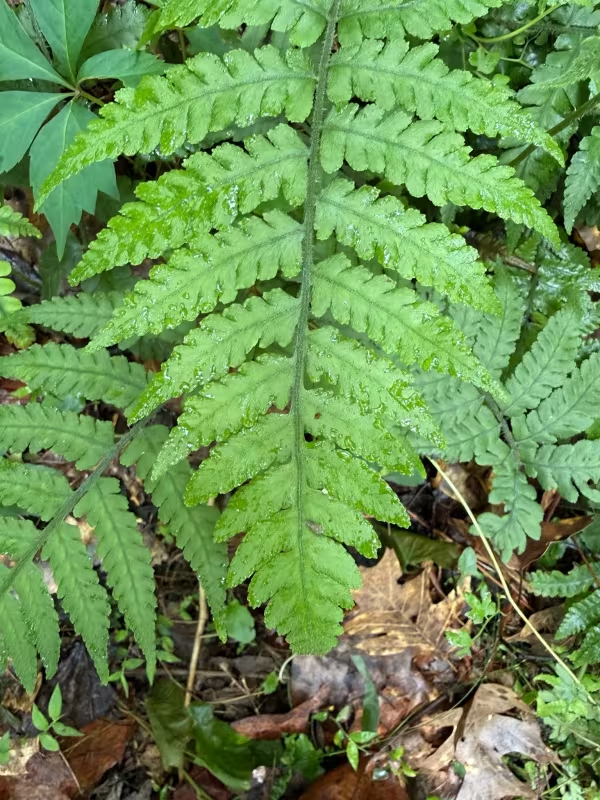
Description
Growing requirements
Deparia petersenii is a perennial fern species belonging to the Athyriaceae family. Its natural distribution covers parts of East Asia, including China, Japan, and the surrounding islands, where it thrives in moist, forested habitats.
Regarding growth conditions, this fern requires a shaded environment with high humidity levels. In a garden or nursery setting, providing consistent shade is essential to maintain the lush green color and structure of the fronds throughout the season.
The soil requirements are strict: the substrate should be nutrient-rich, humus-based, and well-draining. While the plant loves moisture, it cannot tolerate waterlogging, so incorporating organic matter like peat or leaf mold is recommended to ensure proper moisture retention and aeration.
Temperature management is vital; the plant performs best in moderate climates without extreme temperature fluctuations. It is generally sensitive to freezing temperatures, requiring protective measures or indoor shelter during the dormant winter months.
The primary horticultural use of Deparia petersenii is ornamental. It is highly valued in woodland garden designs, damp corners of the landscape, and as a lush companion plant for hostas or other shade-loving perennials.
Main diseases and pests
Common threats to this species include root rot, usually caused by poor drainage or overwatering. Maintaining a correct irrigation schedule is the most effective way to prevent fungal pathogens from settling in the root zone.
Pests such as aphids, spider mites, and scale insects can occasionaly impact the health of the fronds. These are most common in stagnant, dry air conditions, which are contrary to the plant's natural preferences.
Integrated pest management should focus on cultural practices first, such as ensuring adequate airflow between plants and regular misting to maintain the required atmospheric humidity, which naturally deters many pests.
In cases of severe infestation, targeted horticultural oils or insecticidal soaps can be used. Always ensure the product is labeled as safe for ferns, as some delicate fronds can be sensitive to chemical treatments.
Regular monitoring for signs of discoloration or wilting allows for early detection of potential problems. Removing affected fronds and sanitizing tools is necessary to stop the spread of any detected diseases.