
Deparia acrostichoides
Deparia acrostichoides
Description
Growing requirements
Deparia acrostichoides, commonly known as the silver glade fern, is a perennial plant belonging to the Athyriaceae family. It is native to the moist, deciduous woodlands of North America, where it thrives in rich, shaded understories.
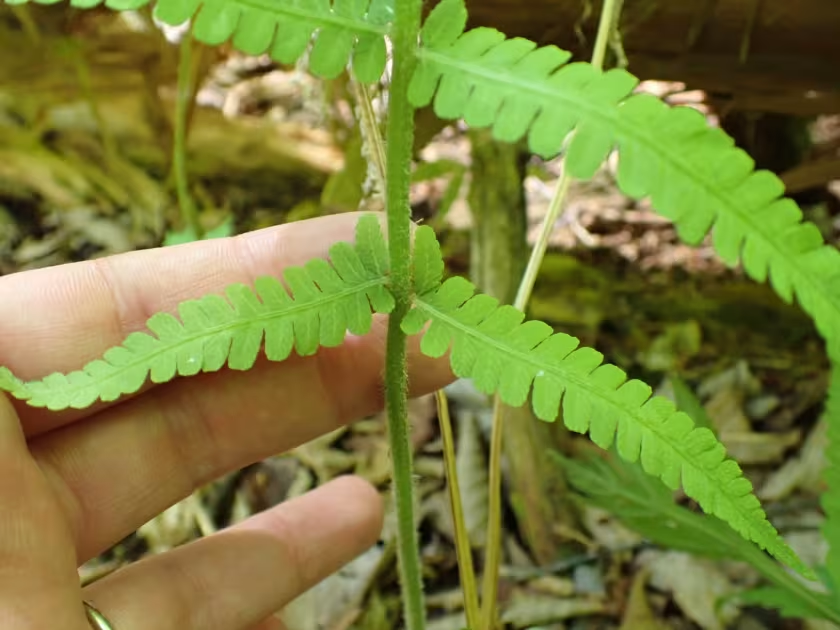
The plant is defined by its elegant, pinnately divided fronds that emerge from a creeping rhizome. These fronds can reach heights of up to 70 cm, showcasing a lush, green appearance that adds texture to shady landscapes.
Successful cultivation requires soil that is consistently moist and rich in organic matter. While it tolerates various soil types, it performs best in neutral to slightly acidic pH conditions where humus accumulation is sufficient.
Light requirements are strict: the silver glade fern must be placed in partial to full shade. Exposure to intense afternoon sun will cause the delicate fronds to wither and burn, significantly reducing the aesthetic value of the plant.
Propagation is most efficient through division of the rhizomes during the dormant season. This technique ensures that the new plantlets establish quickly when planted into a prepared, moist site in the garden.
Main diseases and pests
Slugs and snails are the primary pests that affect this species, especially during the spring growth phase when new fronds are soft and succulent. Implementing physical barriers or organic bait can help protect the foliage.
Root rot is a potential threat if the soil remains waterlogged for extended periods without proper drainage. Ensuring the planting site allows for some water movement is crucial for the long-term health of the fern clusters.