
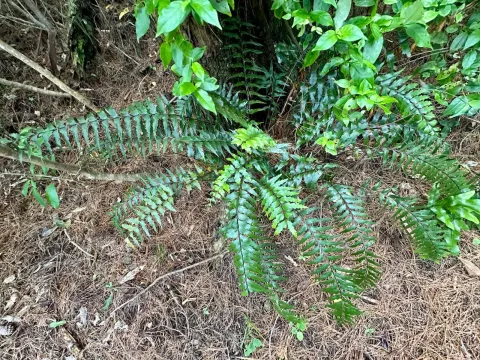
Asplenium polyodon
Asplenium polyodon
Asplenium polyodon is a distinct species of fern within the Aspleniaceae family, recognized for its leathery, dark green fronds with serrated margins. This species typically exhibits an epiphytic growth habit, thriving in tropical forests where it clings to trees or rocky crevices.
What the section contains
Asplenium polyodon
The climate requirements for this plant focus on high humidity and consistent warmth. It is best suited for environments where temperatures remain stable between 18°C and 25°C, as extreme fluctuations can shock the plant and lead to severe physiological stress.
Proper lighting is essential for maintaining the health of the foliage. Unlike many other plants, Asplenium polyodon prefers filtered or indirect light, which mimics the dappled sunlight found under the forest canopy. Avoiding direct exposure prevents leaf chlorosis and scorching.
Soil structure for this fern must mimic its natural habitat. A well-draining, loose medium consisting of peat moss, pine bark, and perlite is recommended. This composition ensures adequate aeration while maintaining enough moisture to support the delicate root system.
Regarding water management, the substrate should remain consistently moist but never waterlogged. Using soft, dechlorinated water is beneficial, as these ferns can be sensitive to minerals and chemicals found in tap water, which may accumulate in the soil over time.
Common pests affecting the plant include spider mites, mealybugs, and scale insects. These pests often congregate on the undersides of the fronds, where they extract nutrients. Regular monitoring and physical removal or biological treatments are effective control methods.
Pathogenic threats usually involve root rot caused by stagnant water or pathogens like Phytophthora. Maintaining good drainage and ensuring proper air circulation around the base of the plant are crucial steps in preventing these common botanical health issues.