
Asplenium obovatum
Asplenium obovatum
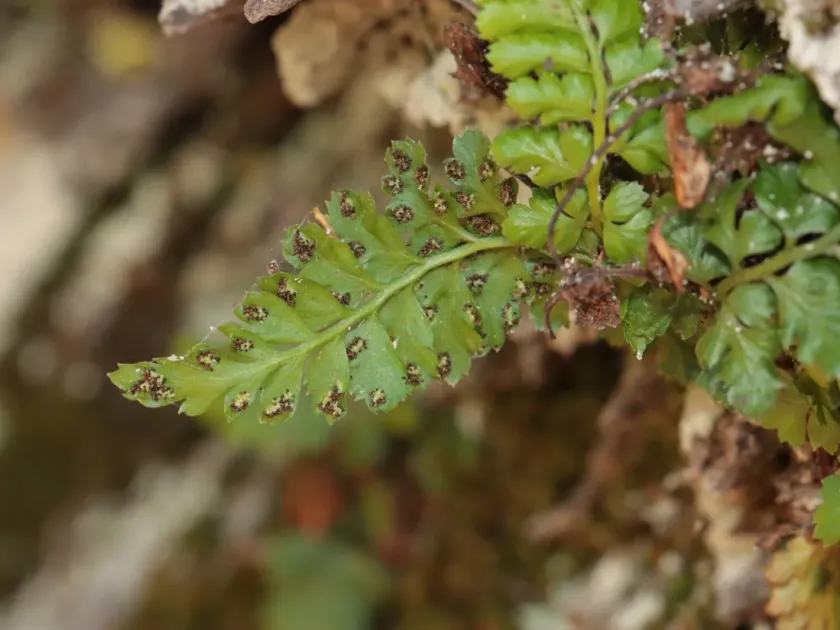
Description
Growing requirements
Asplenium obovatum is a perennial fern belonging to the Aspleniaceae family. It is typically found in mild maritime climates, often inhabiting shaded rock crevices and moist woodland areas across Western Europe and the Mediterranean.
Botanically, it is distinguished by its delicate, pinnate fronds that form a neat rosette. The leaflets possess an obovate shape, which provides the species with its unique appearance and high horticultural value.
The plant thrives in well-draining, slightly acidic soil mixtures rich in organic matter. Proper aeration is crucial to prevent the roots from suffocation, as this fern is highly susceptible to hypoxia if the soil is too compacted.
Climate requirements include high atmospheric humidity and protection from direct sunlight. While it appreciates warmth, it should be kept away from heat sources like radiators, which significantly reduce ambient moisture.
Regular maintenance involves keeping the substrate consistently moist but not waterlogged. Using tepid water for irrigation helps to minimize physiological stress on the plant, especially during transitional seasons.
Main diseases and pests
Scale insects are a primary threat to Asplenium obovatum. These pests hide on the underside of fronds and along the stipes, causing leaf discoloration and sap loss if left untreated for extended periods.
Root rot is the most common physiological issue caused by poor drainage or overwatering. Once the rhizomes become saturated, the plant rapidly declines, manifesting in limp, necrotic fronds that fail to recover.
Spider mites are another common challenge, appearing in environments where air circulation is poor and humidity levels drop. These mites cause stippling on the leaves, eventually leading to stunted growth.
Fungal pathogens such as leaf spot can occur when water is left on the foliage for too long in a cool environment. Preventive measures include ensuring good ventilation and avoiding overhead irrigation.
- Monitor for scale insects weekly.
- Maintain consistent substrate moisture.
- Ensure adequate room ventilation.