
Asplenium lunulatum
Asplenium lunulatum
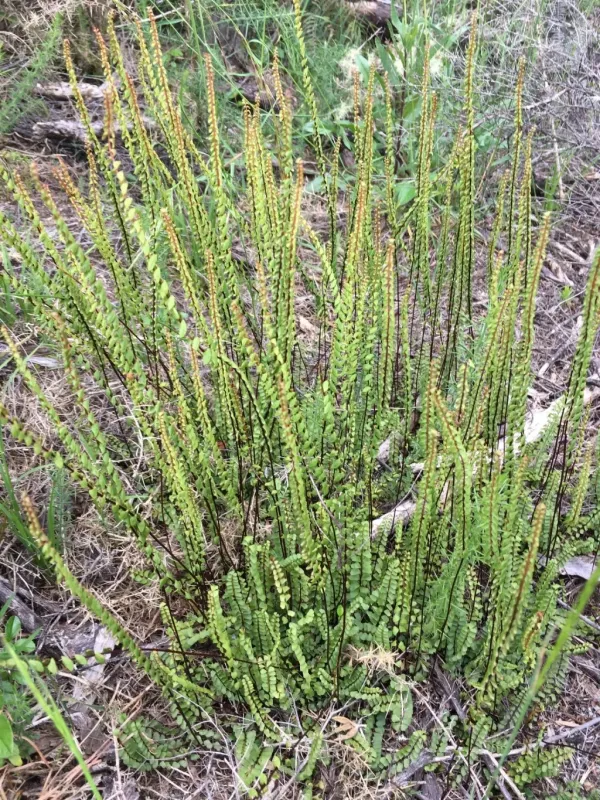
Description
Growing requirements
Asplenium lunulatum belongs to the Aspleniaceae family. This perennial fern species originates from tropical and subtropical regions of Africa and various islands in the Indian Ocean, typically found in shaded forest environments.
The plant thrives best in bright, indirect light. Direct sunlight is harmful to the delicate foliage, causing significant browning and leaf burn that can permanently damage the aesthetic appearance of the plant.
Regarding soil requirements, Asplenium lunulatum prefers a porous, well-draining substrate rich in organic matter. A mixture of peat, perlite, and bark is ideal for maintaining moisture while ensuring sufficient oxygen access for the roots.
Temperature management is critical for this species. It prefers a stable climate between +18°C and +24°C throughout the year. It should be kept away from cold drafts or heating vents, which can quickly desiccate the foliage.
Humidity is the most vital factor for the growth of this fern. The plant requires constant high humidity, which can be achieved through regular misting, the use of humidity trays, or grouping it with other plants to create a microclimate.
Main diseases and pests
Scale insects are among the most persistent pests for this fern. These small, brownish bumps attach to the midribs of the fronds and can significantly stunt growth if not addressed by manual removal or insecticidal treatment.
Spider mites often attack the plant when ambient humidity drops too low. These tiny pests weave webs on the underside of leaves, causing the fronds to lose their luster and eventually turn yellow and brittle.
Fungal leaf spot diseases may appear if the fronds remain wet for extended periods in low light conditions. Improving air circulation is the primary cultural practice to prevent these infections from spreading.
Root rot is the most common cause of mortality for Asplenium lunulatum, usually resulting from heavy, waterlogged soil. Always ensure the pot has drainage holes to allow excess water to escape efficiently.
Nutrient deficiency or toxicity can also occur. The plant is sensitive to chemical fertilizers; therefore, it is best to use a balanced, diluted organic liquid feed during the active growing season only.