
Asplenium rutifolium
Asplenium rutifolium
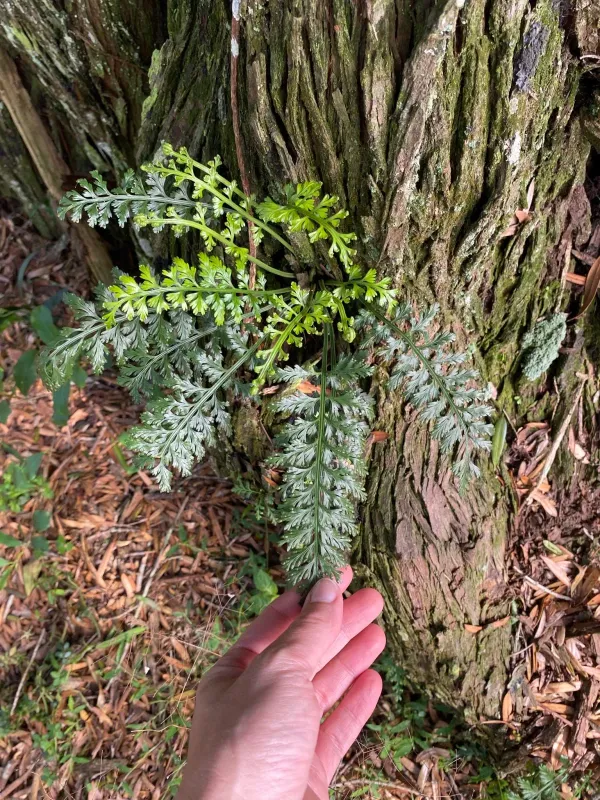
Description
Growing requirements
Asplenium rutifolium is a unique fern belonging to the Aspleniaceae family, native to tropical regions of Africa and Madagascar. This species is often found growing on trees or rocks, characteristic of its epiphytic or lithophytic nature in the wild.
To successfully cultivate this fern, one must provide high humidity, ideally ranging between 70% and 80%. It thrives best in moderate, indirect light, mimicking the forest canopy environment where it is naturally shielded from intense sun rays.
The ideal temperature range for this plant is between 18°C and 25°C. As a tropical species, it is highly sensitive to cold drafts and sudden temperature fluctuations, which can cause significant stress to its delicate foliage.
Soil requirements focus on an airy, acidic, and well-draining medium. A mix of peat, sphagnum moss, orchid bark, and perlite is recommended to prevent waterlogging while ensuring the roots receive sufficient oxygen for healthy growth.
Irrigation practices require consistent moisture without saturation. Water should be applied when the top layer of the substrate feels dry to the touch, using room-temperature, dechlorinated water to avoid salt accumulation and leaf spotting.
Main diseases and pests
Common pests affecting Asplenium rutifolium include scale insects and spider mites. These pests thrive in dry environments, so maintaining proper humidity levels serves as a primary preventative measure against infestations.
Fungal infections, such as grey mold or leaf blight, can occur if ventilation is inadequate or if the plant remains waterlogged for extended periods. Improving airflow around the plant is essential to prevent these issues from developing.
Root rot is the most common fatal condition caused by poor drainage. If the substrate is too dense or the container lacks sufficient drainage holes, the root system will quickly deteriorate, leading to the collapse of the fronds.
Nutrient deficiency may lead to pale or stunted fronds. Providing a balanced, dilute liquid fertilizer specifically formulated for ferns during the active growing season will help maintain the plant's structural integrity and aesthetic appeal.
Mechanical damage to the fronds can also be an entry point for pathogens. Careful handling and regular cleaning of the leaves to remove dust and debris will help keep the plant healthy and increase its resistance to various diseases.