
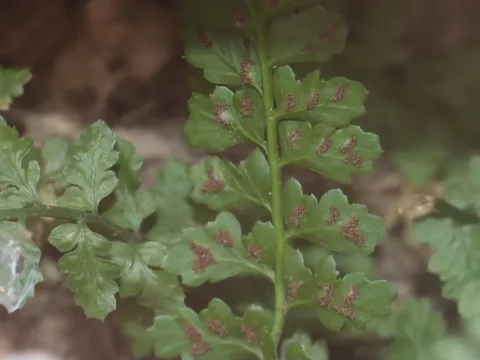
Asplenium foreziense
Asplenium foreziense
Asplenium foreziense is a distinctive fern species belonging to the Aspleniaceae family. It is recognized as a hybridogenic species, naturally occurring in specific ecological niches, which defines its unique morphological and genetic characteristics.
What the section contains
Asplenium foreziense
In its native habitat, this fern typically occupies mountain regions, preferring sheltered crevices where the humidity remains consistent. It requires a stable environment and does not thrive in areas with extreme temperature fluctuations.
Cultivation requires a substrate that mimics its natural stony habitat, emphasizing excellent drainage and aeration. A mix of peat, perlite, and coarse mineral components is essential to prevent root rot and promote healthy growth.
Environmental conditions must include indirect light, as direct exposure can scorch the delicate fronds. Maintaining high air humidity is critical, especially in indoor or greenhouse settings where ambient air tends to be drier than in the wild.
The agricultural and ornamental use of this plant is strictly for specialized collections or botanical research. Due to its slow growth rate and precise environmental demands, it is not currently grown as a mass-market agricultural crop.
The primary threats to Asplenium foreziense involve fungal pathogens that thrive in overly wet conditions. Improper watering, leading to saturated substrate, is the most common cause of decline and death for this species.
Pests such as spider mites and scale insects are frequent problems, particularly when humidity levels drop below the required threshold. These pests weaken the plant by feeding on the sap, causing the fronds to yellow and eventually die.
Nutrient management is another critical factor, as excessive salt accumulation from fertilizers can lead to root toxicity. It is recommended to use diluted, organic-based fertilizers specifically formulated for ferns to avoid chemical burn.
Physiological disorders, such as chlorosis, often occur due to incorrect pH levels in the growing medium. Regular monitoring of the substrate's acidity is necessary to ensure the plant can effectively absorb essential nutrients.
Maintaining a strictly controlled environment is the best defense against pests and diseases. Quarantine measures for new specimens are highly advised to ensure that no external infestations enter the established collection or growing area.