
Asplenium fissum
Asplenium fissum
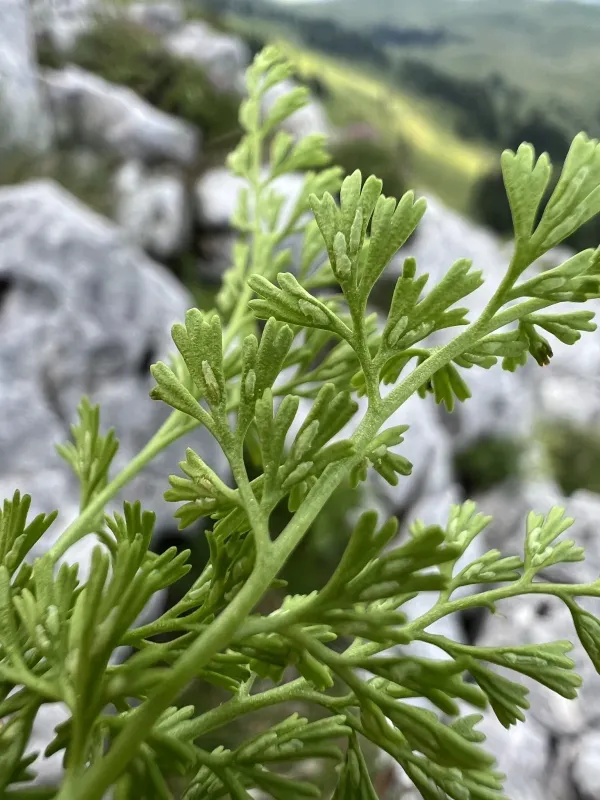
Description
Growing requirements
Asplenium fissum is a perennial fern belonging to the Aspleniaceae family, known for its delicate and distinct fronds. Native to tropical and subtropical mountain regions, it is primarily lithophytic, meaning it grows naturally on rock faces and in crevices where organic debris accumulates.
Successful cultivation requires a stable, shaded environment with high ambient humidity. Unlike many terrestrial plants, Asplenium fissum thrives in bright, indirect light and must be protected from scorching direct sunlight that causes the fronds to curl and turn brown.
The substrate for this fern must be highly porous and well-draining. A professional mix should consist of bark, perlite, and coarse peat moss, ensuring that roots are never waterlogged while remaining constantly moist. Proper aeration of the root zone is crucial for long-term health.
Temperature management is vital, with a preferred range of 18 to 24 degrees Celsius during the growing season. The plant should be kept away from HVAC vents or cold drafts, which can cause significant moisture loss from the leaf surfaces.
Watering should be carried out using room-temperature distilled or rain water. Because the plant is sensitive to chemical additives found in tap water, maintaining water quality is essential to prevent tip burn and mineral accumulation on the delicate fronds.
Main diseases and pests
Common pests affecting Asplenium fissum include scale insects, which appear as small brown bumps on the stems or fronds. These pests sap the plant's vitality and secrete honeydew, which can invite further fungal complications.
Spider mites are a persistent threat in environments where humidity levels fluctuate. They thrive in dry conditions and can quickly colonize the plant, leading to yellowing leaves and a lack of vigor if left untreated.
Root rot caused by Phytophthora or Pythium species is the most common disease associated with poor drainage. Once the roots are compromised, the plant usually exhibits wilting fronds despite the soil being wet.
Fungal leaf spot pathogens can occur when water is allowed to sit on the foliage for extended periods in low-light conditions. Maintaining good air circulation is the best preventative measure against these infections.
Management involves a combination of mechanical removal of visible pests and the application of systemic insecticides or fungicides specifically formulated for ferns to avoid burning the sensitive tissues.