
Asplenium haughtonii
Asplenium haughtonii
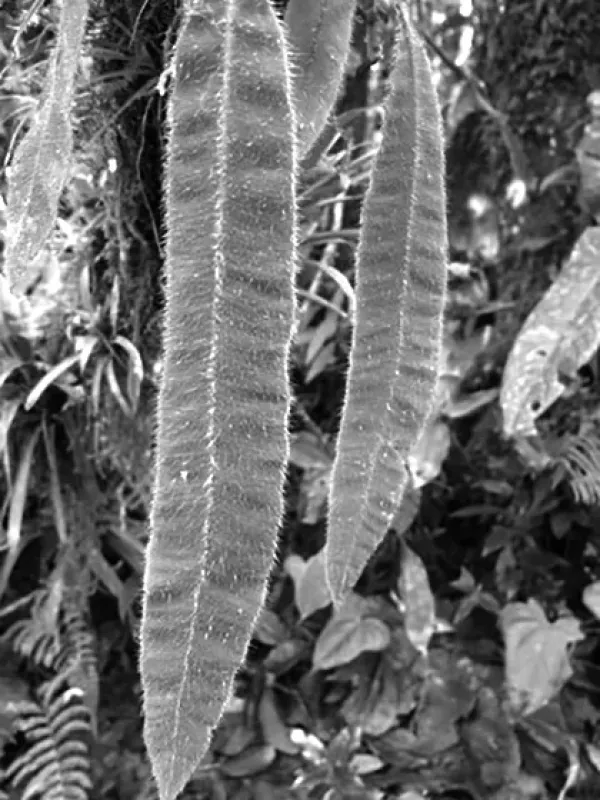
Description
Growing requirements
Asplenium haughtonii is a distinct member of the Aspleniaceae family, native to specific humid tropical environments. Its botanical structure consists of elegant fronds that grow in a compact rosette formation, making it a prized ornamental specimen.
The crop demands a controlled microclimate with consistent ambient temperatures between 18°C and 25°C. Protecting the plant from direct heat sources and cold drafts is essential for its physiological health and overall development.
Optimal growth occurs in a well-draining, slightly acidic soil medium. A mixture of peat moss, perlite, and pine bark is recommended to ensure the aeration required by the rhizome system.
High humidity levels are critical for this species, requiring a minimum of 70% relative humidity. In agricultural greenhouse setups, misting systems or ultrasonic humidifiers are often employed to maintain these levels.
The economic value of this crop is primarily found in the commercial florist trade. Its aesthetic appeal and air-purifying capabilities make it a popular choice for high-end horticultural production and interior landscaping.
Main diseases and pests
Fungal infections, specifically root rot, pose the most significant threat to Asplenium haughtonii during the early stages of growth. Proper drainage is the primary defense against these soil-borne pathogens.
Scale insects are common pests that attach themselves to the underside of the fronds. Their presence leads to yellowing of the tissue and general plant decline if not addressed promptly with horticultural oils.
Spider mites thrive in environments where humidity is neglected, leading to brittle and discolored leaves. Regular monitoring of the foliage is essential to detect early infestations and apply control measures.
Bacterial spot disease may occur if foliage remains wet for extended periods in poorly ventilated areas. Ensuring sufficient airflow between individual plants is a standard management practice to reduce risk.
Integrated pest management strategies involve a combination of biological controls and strict sanitation practices. Removing dead fronds and keeping the soil surface clear of debris significantly reduces the habitat for potential pests.