
Asplenium hybridum
Asplenium hybridum
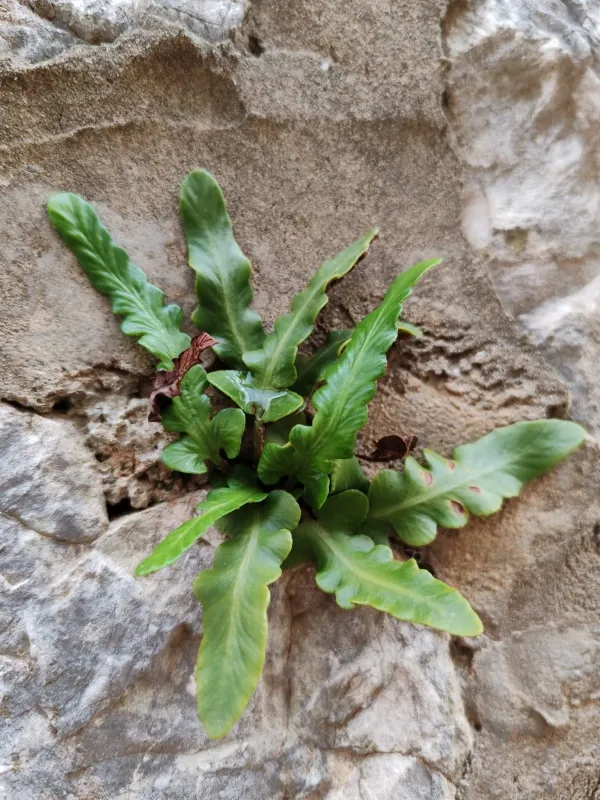
Description
Growing requirements
Asplenium hybridum is a representative of the Aspleniaceae family, commonly utilized as a decorative ornamental plant. Its biological cycle is typical for ferns, requiring precise control over environmental factors to ensure healthy growth and full foliage development.
The crop requires a well-aerated substrate rich in organic matter. A mixture consisting of peat, leaf mold, and perlite or sand is ideal for providing the necessary drainage, as stagnant water is detrimental to the plant's delicate root system.
Environmental requirements include a high relative humidity level, ideally ranging from 60% to 80%. Professional growers often employ automated misting systems to maintain these parameters, especially in indoor environments with heating systems.
Light management is crucial, as Asplenium hybridum thrives in filtered, indirect light. Direct sunlight is strictly avoided to prevent phototoxicity and leaf scorch, which can permanently damage the aesthetic value of the fronds.
Temperature control should focus on consistency. The plants prefer a moderate range between 18 and 22 degrees Celsius. Extreme temperatures or rapid fluctuations lead to physiological stress, reducing the plant's resistance to secondary infections.
Main diseases and pests
Fungal diseases, particularly root rot, are the most significant threats to the crop. These conditions are typically caused by overwatering or the use of poorly draining substrates, which promote the growth of pathogenic soil fungi.
Scale insects are common pests that affect the underside of the fronds. These pests are difficult to remove due to their protective coverings and can significantly reduce the vitality of the plant if left unchecked.
Spider mites represent a major challenge in dry indoor conditions. They feed on the sap of the fern, causing the fronds to yellow and develop a stippled appearance, eventually leading to senescence and drop-off.
Mealybugs can manifest as small, white, cotton-like masses in the crevices of the plant. They weaken the host by extracting nutrients, necessitating the use of systemic insecticides for effective population control in agricultural settings.
Integrated pest management protocols, including regular scouting and maintaining optimal humidity levels, are essential for maintaining the health of the plantation and preventing the outbreaks of these common fern pests.