
Asplenium haussknechtii
Asplenium haussknechtii
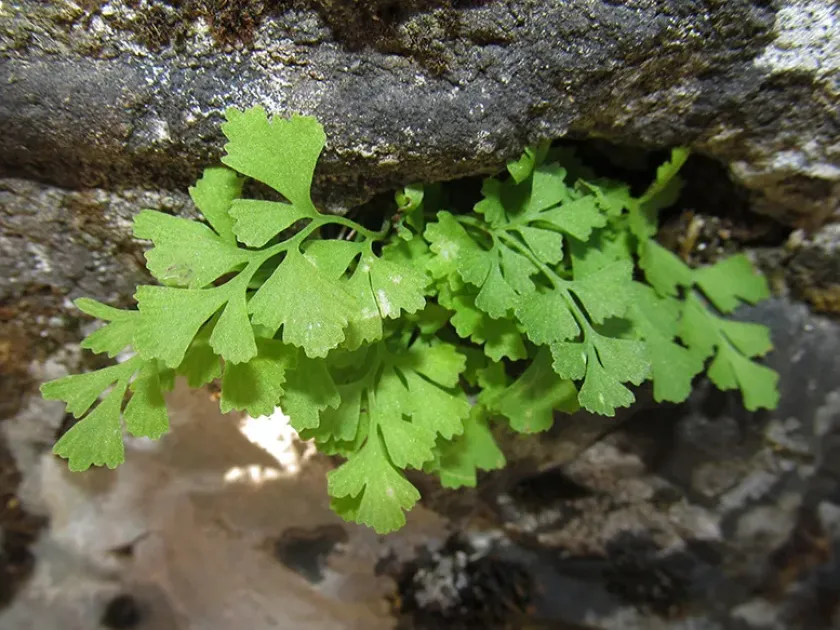
Description
Growing requirements
Asplenium haussknechtii is a distinct species of fern belonging to the Aspleniaceae family. Known for its aesthetic foliage and compact growth habit, this plant naturally thrives in rocky crevices and shaded habitats, which dictates its specific needs in a cultivated environment.
When it comes to light requirements, this fern prefers indirect, soft light. Intense or direct sunlight can scorch the fronds, leading to permanent damage. An ideal location would be in a room with diffused lighting, away from windows that receive harsh afternoon sun.
The choice of soil is vital for the health of Asplenium haussknechtii. It requires a light, porous, and well-draining potting mix. A blend containing peat moss, perlite, and bark is usually recommended to ensure oxygen reaches the roots while maintaining consistent humidity.
Moisture management is the cornerstone of its cultivation. The soil should remain consistently moist but never waterlogged. It is important to avoid letting the plant sit in standing water, as this often triggers root rot and other fungal pathogens that can be fatal to the fern.
Humidity is equally important, as this species prefers a tropical or subtropical microclimate. If kept in dry indoor environments, regular misting of the fronds or using a pebble tray filled with water can help increase ambient humidity to acceptable levels for the plant.
Main diseases and pests
Spider mites are the most common pest associated with this fern, particularly in environments with low humidity. These tiny pests suck sap from the fronds, leading to discoloration and eventual leaf drop if left untreated.
Fungal infections, such as leaf spot or crown rot, are typically the result of poor air circulation and excessive moisture on the foliage. Pruning damaged fronds and improving ventilation are essential first steps in recovery.
Scale insects can occasionally infest the stems and undersides of the fronds. Regular inspection of the plant is necessary to catch and treat these pests early before they spread throughout the collection.
Improper fertilization can lead to salt buildup in the soil, causing the tips of the fronds to turn brown and brittle. It is advised to flush the soil periodically with clean water to prevent such accumulations.
Providing a clean growing environment by removing dead fronds regularly prevents the buildup of pathogens, ensuring the long-term health and vitality of the specimen.