
Asplenium cuneifolium
Asplenium cuneifolium
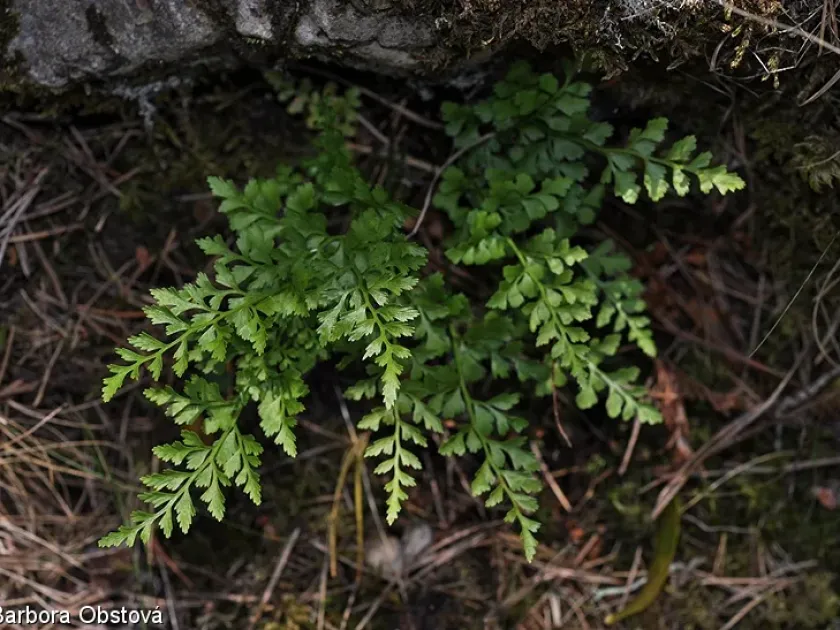
Description
Growing requirements
Asplenium cuneifolium is a perennial fern belonging to the Aspleniaceae family. It is a highly specialized lithophyte known for its adaptation to challenging environmental conditions, particularly rocky substrates.
The plant is native to Europe, where it is primarily associated with serpentinite rock outcrops. These habitats are characterized by unique chemical profiles, including high concentrations of magnesium and heavy metals, which the fern has evolved to tolerate.
Botanically, the species features delicate, wedge-shaped fronds growing from a short, scaly rhizome. This morphology allows the plant to anchor itself firmly into narrow rock crevices, where it competes effectively with few other plant species.
Regarding cultural requirements, it needs a specific substrate that mimics its natural environment, ensuring excellent drainage and mineral balance. High atmospheric humidity and cool temperatures are crucial for its successful growth and development.
The economic or practical use of this fern is limited to specialized botanical horticulture and ecological research. Its role as a bioindicator for serpentinite soils makes it a significant subject for studies regarding plant adaptation to toxic metal levels.
Main diseases and pests
Environmental threats include the destruction of its specific rocky habitats and the increasing impact of climate change on mountain microclimates. The species' limited range makes it particularly vulnerable to any habitat disturbance.
Pathogens affecting the plant are usually fungal, arising from poor airflow or waterlogged soil conditions. Common insect pests include spider mites and scale insects, which can severely weaken the plant by feeding on the sap of the foliage.