
Asplenium castaneoviride
Asplenium castaneoviride
Description
Growing requirements
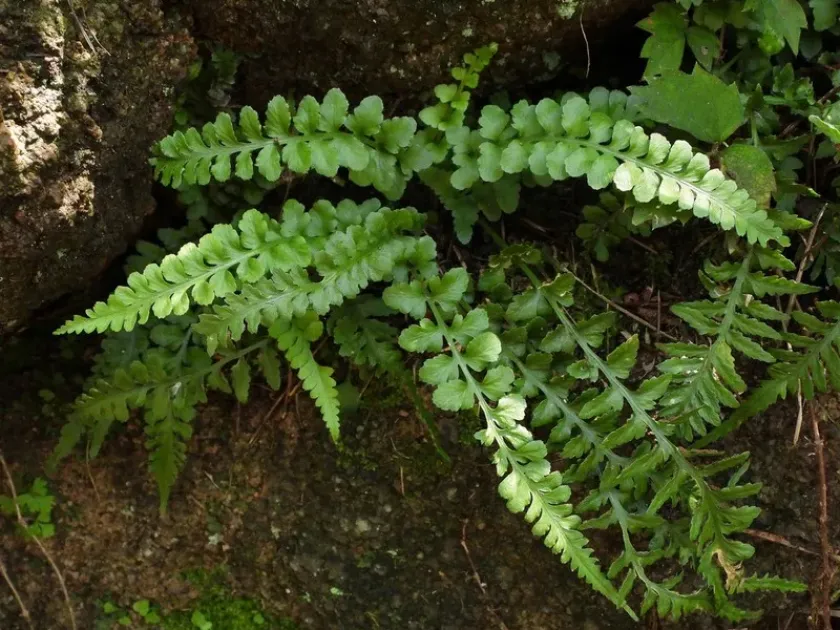
Asplenium castaneoviride is a perennial fern species belonging to the Aspleniaceae family. Its natural habitat is typically found in tropical and subtropical forest environments, where it grows as an epiphyte or lithophyte in shaded, humid conditions.
The plant is defined by its distinct fronds that display a deep green color, supported by chestnut-colored stalks, which gives the species its botanical name. It grows in a rosette form, with delicate structures that require careful handling during transplanting or maintenance.
Temperature requirements for this fern are quite strict: it thrives in a stable climate ranging from 18 to 24 degrees Celsius. It is highly sensitive to cold drafts and significant fluctuations, which often lead to immediate physiological stress and leaf drop.
The soil must be light, airy, and capable of retaining moisture without becoming waterlogged. A mixture containing peat, bark, and perlite is often recommended to ensure optimal oxygenation of the root system, which is crucial for the plant's health.
Humidity is the most important factor in the successful cultivation of Asplenium castaneoviride. Providing high humidity levels, preferably around 65-75 percent, is essential to keep the fronds lush and prevent the tips from turning brown and brittle.
Main diseases and pests
The primary pests targeting this fern include spider mites, scale insects, and mealybugs. These pests thrive in dry conditions and can quickly colonize the delicate underside of the fronds, leading to significant structural damage.
Root rot is the most common disease, caused by overwatering or poor drainage systems. When the roots are submerged in stagnant water for too long, they lose the ability to absorb nutrients, leading to total plant failure.
Leaf spot diseases, often caused by fungal pathogens like Cercospora, may appear if there is poor air circulation and high leaf wetness. These spots can rapidly spread across the foliage, ruining the plant's ornamental appeal.
Aphids can occasionally infest new growth, sucking sap and hindering the development of healthy, symmetrical fronds. Monitoring young leaves during the peak growing season is recommended for early detection.
Integrated pest management, including regular inspection, proper watering techniques, and the use of insecticidal soaps, is highly effective in maintaining the health of Asplenium castaneoviride in domestic or greenhouse conditions.