
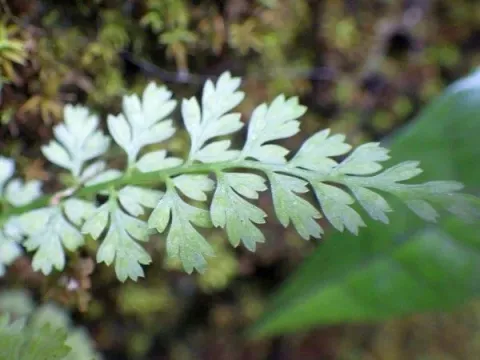
Asplenium anogrammoides
Asplenium anogrammoides
Asplenium anogrammoides is a distinct species within the Aspleniaceae family, primarily recognized for its preference for rocky, sheltered environments in its native range.
What the section contains
Asplenium anogrammoides
As a specialized fern, it requires a specific growth medium that mimics its natural substrate, often incorporating pumice or perlite to ensure excellent root aeration.
Consistent ambient humidity is essential for the health of the fronds, as this species lacks the drought-tolerance mechanisms found in more robust fern varieties.
Light levels should be carefully monitored; indirect, diffuse light is ideal to prevent tissue scorching while maintaining healthy rates of photosynthesis.
Temperature fluctuations should be avoided, as the plant reacts poorly to sudden cold drafts or extreme heat spikes in its growing environment.
Root rot is the most significant challenge in the cultivation of Asplenium anogrammoides, usually resulting from saturated soil conditions and lack of drainage.
Scale insects and aphids can become persistent pests, hiding in the intricate structures of the fronds and draining nutrients from the host plant.
Botrytis or other moisture-related fungi can develop rapidly if the foliage remains wet for prolonged periods without adequate air circulation.
Regular monitoring of the underside of the leaves is advised to detect early infestations and prevent the spread of pests throughout the collection.
Using sterile soil components during the potting process is a vital preventive measure to minimize the risk of soil-borne pathogens and nematode outbreaks.