
Asplenium adulterinum
Asplenium adulterinum
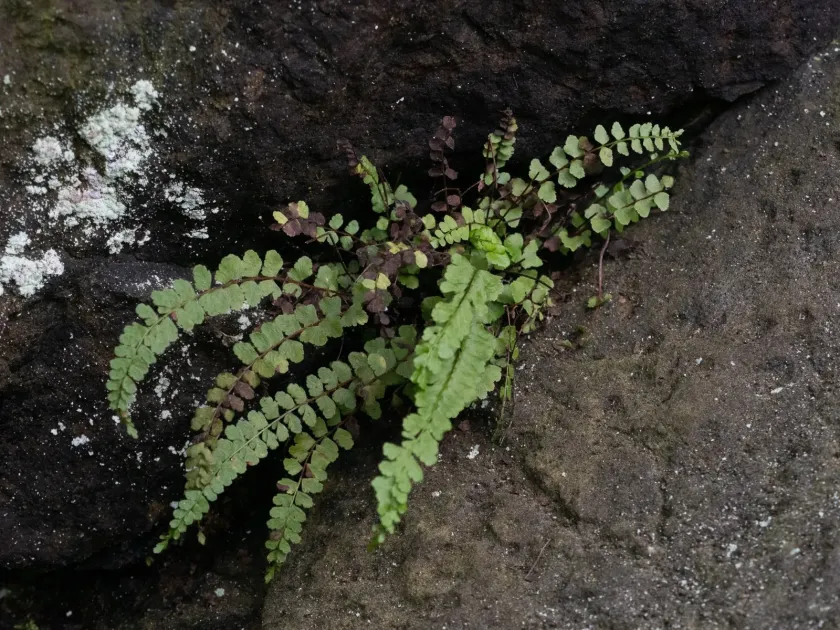
Description
Growing requirements
Asplenium adulterinum is a perennial fern belonging to the Aspleniaceae family, notable for its extreme habitat specificity. It is classified as a serpentinophyte, meaning it strictly requires serpentine soils derived from ultramafic rocks to survive in the wild.
The plant thrives in crevices of rocky outcrops where soil composition is dominated by high magnesium levels and heavy metal concentrations. These toxic conditions for common vegetation create an empty niche that this specialized fern successfully occupies.
In terms of agricultural use, this species is not a crop and holds no economic value in farming. It is considered an object of high botanical and conservation interest rather than a plant for cultivation, as it lacks the physiological traits for large-scale production.
Its natural range is fragmented and limited to specific regions in Europe where serpentine bedrock is exposed. Conservation efforts are vital, as the species is highly susceptible to habitat degradation and loss of its specific geochemical environment.
Botanically, it resembles other members of the Asplenium genus but is distinguished by its unique adaptation to serpentine geology. Its life cycle involves spore dispersal and a complex gametophyte stage that is sensitive to moisture fluctuations.
Main diseases and pests
The primary threat to the survival of Asplenium adulterinum is the anthropogenic destruction of its specific rocky habitats, often caused by quarrying or industrial development on serpentine outcrops.
Changes in soil chemistry due to pollution or the use of nearby fertilizers can disrupt the delicate balance required for the fern's nutrient uptake, causing rapid decline in the plant's health.
While natural pests like aphids or fungal spores might affect the foliage, the greater risk comes from the plant's inability to colonize new areas if its limited habitat patches become isolated or are severely disturbed.
Due to its slow growth rate and specific reproductive requirements, the species has a very limited capacity to recover from environmental damage or unauthorized collection by plant enthusiasts.
Climate change, which alters local humidity patterns in rock crevices, poses an emerging threat, as the fern is highly dependent on a stable microclimate to protect its fronds from excessive desiccation.