
Alternate-leaved spleenwort
Asplenium alternifolium
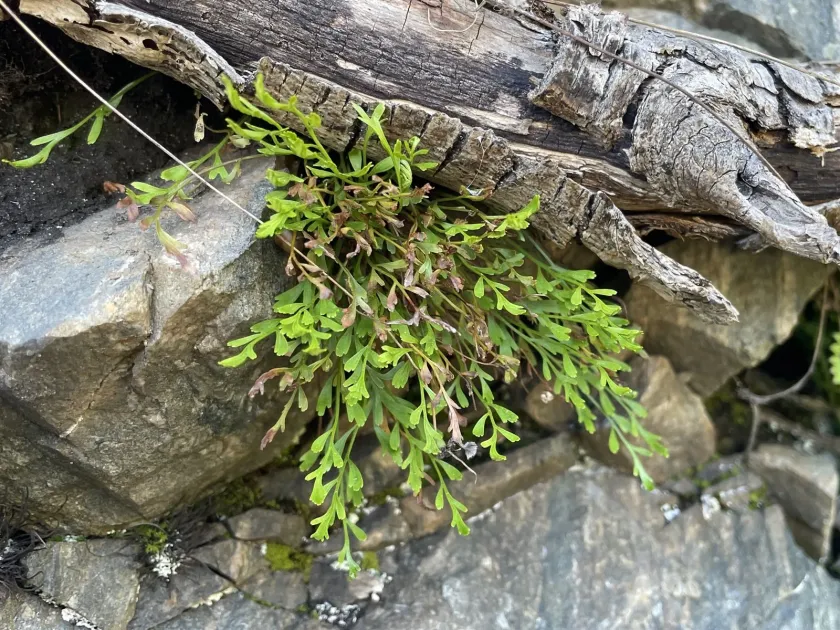
Description
Growing requirements
The alternate-leaved spleenwort (Asplenium alternifolium) is a perennial fern species belonging to the Aspleniaceae family. It is recognized as a rare hybrid fern native to the rocky crevices and limestone cliffs of Europe.
Cultivation requires conditions that mimic its natural alpine habitat. This species thrives in semi-shaded locations with excellent air circulation, as high humidity combined with poor airflow can lead to rapid decline.
The soil must be alkaline and exceptionally well-drained. A mixture of gravel, crushed limestone, and a small amount of leaf mold is considered ideal for supporting the growth of the rhizome system.
Moisture management is critical; while the fern requires high atmospheric humidity, the root zone should never be waterlogged. Overwatering is the most common mistake leading to the loss of the plant.
As a slow-growing culture, it does not require significant fertilization. A very dilute, balanced liquid fertilizer applied during the early spring growth phase is sufficient to maintain plant health.
Main diseases and pests
The primary threat to the alternate-leaved spleenwort is root rot induced by improper irrigation practices. Once the rhizome begins to decay due to anaerobic conditions, the plant is rarely salvageable.
Spider mites are common pests that thrive in the microclimates of fern collections. They typically target the underside of the fronds, leading to stippling and eventual leaf drop if left untreated.
Gastropods such as slugs and snails are frequent intruders that can consume delicate fronds overnight. Using physical barriers or copper tape around planting containers provides effective protection for this crop.
Fungal leaf spot diseases may appear when the fronds remain wet for extended periods. Avoiding overhead watering is a key cultural practice to keep the foliage clean and healthy throughout the season.
Environmental stress, such as extreme heat or direct sunlight, manifests as wilting and crispy frond margins. Proper shade placement is essential to prevent physiological damage during peak summer months.