
Asplenium azoricum
Asplenium azoricum
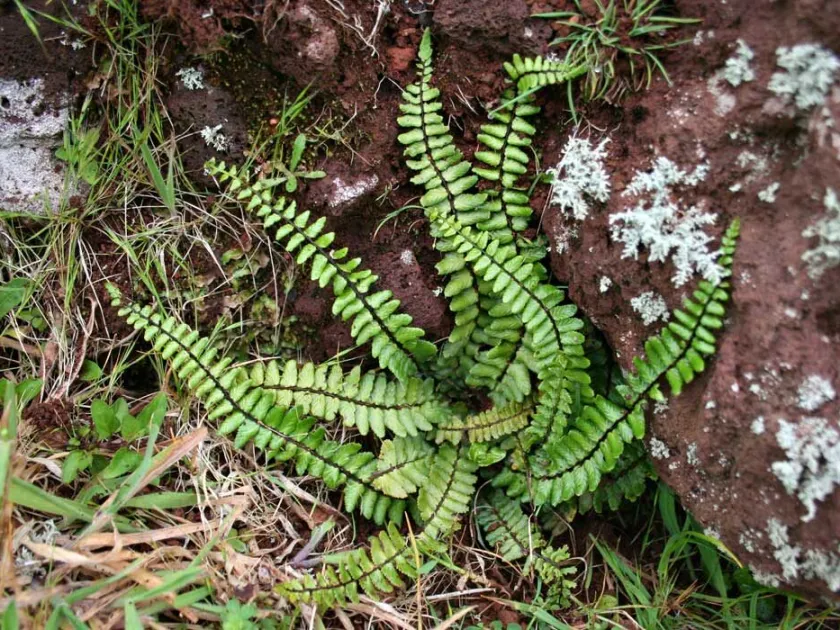
Description
Growing requirements
Asplenium azoricum is a perennial fern belonging to the Aspleniaceae family. It is an endemic species native to the Azores, thriving in temperate, humid forest ecosystems where it benefits from consistent moisture and mild temperatures throughout the year.
The cultural requirements for this fern focus on mimicking its natural, humid environment. It demands a well-draining, porous growing medium, typically composed of peat, bark, and perlite, which ensures that roots receive adequate aeration while maintaining constant moisture.
Climate control is critical for this species; it prefers temperatures between 15 and 22 degrees Celsius and is highly sensitive to frost. Humidity levels should remain consistently high, ideally above 65 percent, to prevent the delicate fronds from drying out or browning at the edges.
Regarding light, Asplenium azoricum performs best in bright, filtered light. Direct sunlight is highly detrimental to the fronds, leading to bleaching and necrosis, while extremely low light conditions will cause the plant to become leggy and lose its characteristic dark green luster.
The horticultural utility of this plant is primarily ornamental. It is highly valued by collectors and in specialized interior landscaping, such as terrariums and humid conservatories, due to its distinct, symmetrical growth habit and adaptability to low-light indoor environments.
Main diseases and pests
The primary pests affecting this fern include mealybugs and spider mites, especially when the plant is kept in low-humidity environments. These pests can rapidly weaken the plant by feeding on the sap of the tender new fronds.
Pathogenic issues are usually related to water management. Overwatering or poor drainage often triggers root rot and various leaf spot diseases caused by fungi or bacteria. Proper irrigation timing and sanitation are essential to prevent these threats.