
Asplenium aethiopicum
Asplenium aethiopicum
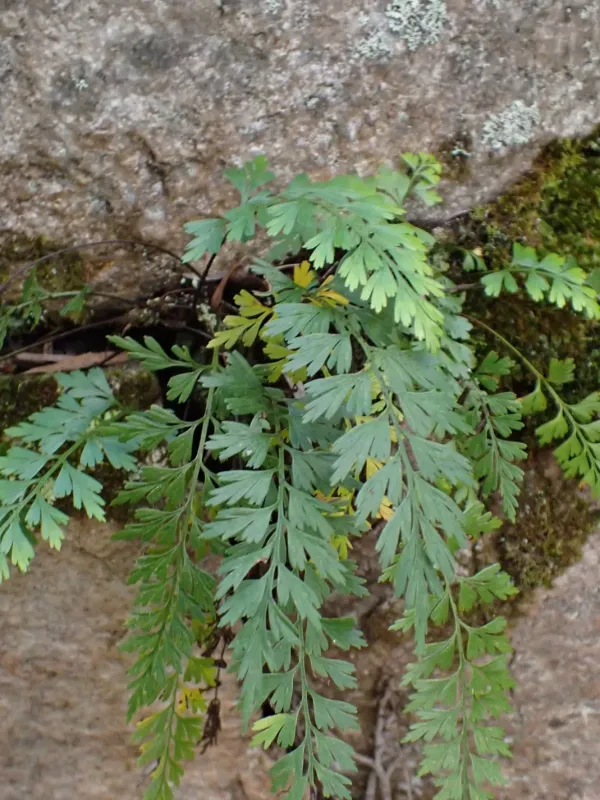
Description
Growing requirements
Asplenium aethiopicum is a perennial vascular plant belonging to the Aspleniaceae family. This species originates from tropical and subtropical regions of Africa and parts of South America, typically thriving in humid, shaded forest environments and rocky outcrops where organic matter accumulates in crevices.
Successful cultivation requires a high-humidity environment, ideally ranging between 60% and 80%. As a tropical fern, it is highly sensitive to desiccation, and growers must ensure that ambient moisture is maintained through automated misting systems or localized humidification in controlled environments.
The soil requirements focus on a light, acidic, and well-draining medium. A recommended growing mix consists of peat moss, perlite, and decomposed bark, ensuring that the roots have access to adequate oxygen while maintaining the essential moisture levels required for the fern's vascular functions.
Regarding light, the plant prefers dappled or indirect sunlight. Direct exposure to solar radiation will lead to leaf bleaching and tissue damage. In large-scale operations, shading nets or northern exposure in greenhouses are commonly employed to maintain the required light intensity throughout the growing season.
The economic value of this crop lies in the ornamental plant trade. Due to its elegant, feathery foliage and adaptability to indoor air conditions, it remains a popular choice for vertical gardening, interior landscaping, and botanical displays, offering consistent market demand.
Main diseases and pests
Primary pests encountered in fern production include scale insects and mealybugs. These pests sequester in the tight crevices of the rachis and fronds, necessitating regular integrated pest management (IPM) practices, such as the use of horticultural oils or biological controls to protect leaf integrity.
Rhizome rot and leaf blight represent the most significant pathological risks. These are often triggered by improper drainage or the overhead application of water in cool, stagnant air conditions. Ensuring proper ventilation and precision irrigation remains the best defense against these plant diseases.