
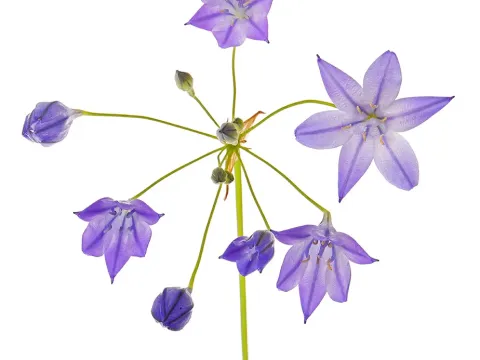
Triteleia
Triteleia
Planting Triteleia bulbs in open ground is typically carried out in spring once the soil has warmed up and the risk of frost has passed. In milder climates, autumn planting is also viable, allowing the bulbs to establish root systems before the onset of the active growth phase.
What the section contains


Triteleia
Bulbs should be planted at a depth of 8 to 10 centimeters to protect them from temperature fluctuations. Spacing between bulbs should be kept at 10 to 15 centimeters to ensure each plant has adequate access to nutrients and light, preventing overcrowded conditions.
Before planting, it is highly recommended to treat the bulbs with a fungicide to prevent fungal diseases that often thrive in damp soil. The chosen planting site must have excellent drainage, as waterlogged soil is fatal to the root systems of most Triteleia species.
For container-grown crops, planting can be done earlier in controlled environments, provided the plants receive sufficient light and moderate warmth. This allows for early germination and can accelerate the flowering cycle for commercial or ornamental purposes.
Using a light, well-aerated substrate in indoor conditions promotes strong root development. Consistent monitoring of soil moisture levels immediately after planting is essential to ensure a successful start to the vegetation period.
Triteleia is a genus of bulbous perennials belonging to the Asparagaceae family, primarily native to western North America. The plants thrive in open, well-lit areas where they receive direct sunlight, although light afternoon shade is beneficial in regions with extreme heat.
The culture requires well-draining, sandy-loam soil with a neutral to slightly acidic pH level. Avoid heavy, clay-rich soils that retain excess moisture, as this condition leads to the rapid decay of the bulb base and encourages opportunistic soil-borne pathogens.
Triteleia prefers a moderate climate with temperatures ranging from 18 to 25 degrees Celsius during the growing season. In cooler regions, bulbs must be lifted before the first winter frost or protected with a thick layer of mulch if they are to remain in the ground.
Regular but moderate watering is necessary during the active growing phase. As the flowering period ends and the foliage begins to dry out, watering should be gradually reduced to induce a period of dormancy, which is vital for the bulb's long-term health.
Balanced mineral fertilization, particularly with potassium and phosphorus, should be applied during the formation of flower spikes. Nitrogen-based fertilizers should be used sparingly to prevent excessive leaf growth at the expense of floral development.
The commercial use of Triteleia is largely centered on the cut flower industry and landscape design. Productivity is measured by the number and quality of flower spikes produced per bulb, which is highly dependent on the quality of the initial planting stock and cultivation conditions.
A well-maintained, mature bulb can produce several flower spikes, typically reaching heights of 30 to 60 centimeters. The visual appeal of the cluster-like inflorescences is a key factor in market value, requiring careful attention to light exposure and consistent moisture levels.
Strategic division of bulb clusters every three to four years is essential to maintain high yield levels. Overcrowding leads to smaller blooms and decreased vigor, so regular thinning and replanting are necessary to sustain a high-performing plantation.
To maximize the harvest of cut flowers, harvesting should occur when buds are half-opened. This practice ensures that the flowers last longer in vases and remain more resilient during transport to local markets or floral distribution centers.
The use of micro-nutrient enriched fertilizers helps improve the size and color intensity of the blooms. Proper field management, including the removal of weeds that compete for nutrients, is vital to maintaining a high-quality yield throughout the harvest season.
The primary threats to Triteleia are fungal infections, particularly grey mold (Botrytis), which can proliferate if humidity levels are high or if air circulation around the plants is poor. These infections can quickly destroy the leaves and cause the bulbs to rot.
Pests such as bulb flies and thrips pose significant risks, causing physical damage to the leaves and weakening the bulb itself. If left untreated, these infestations can lead to secondary bacterial infections that quickly result in the death of the plant.
Effective prevention involves strict adherence to soil moisture management and ensuring good aeration of the planting area. Fungicide applications during the storage of bulbs are standard practice to minimize the risk of storage rot before the next planting season.
Regular monitoring of the plantation is essential for identifying pest outbreaks early. Once detected, targeted insecticide applications are often necessary to contain the spread and minimize damage to the crop.
Maintaining high hygiene standards on the site, including the removal of infected plants and surrounding debris, significantly reduces the environmental pressure from pests and diseases. Proper spatial management and avoiding over-concentration of bulbs also help improve natural resilience.
Harvesting the bulbs for storage should begin only after the foliage has naturally turned yellow and begun to wither, indicating that the bulb has finished its growth cycle. This usually occurs in late summer or early autumn.
Once lifted, the bulbs must be carefully cleaned of soil and air-dried in a shaded, well-ventilated location. Direct sun exposure should be strictly avoided to prevent skin damage and premature loss of moisture, which reduces storage life.
After initial drying, bulbs should be sorted, and any that show signs of damage or decay must be discarded. Storing only healthy, firm bulbs ensures that the quality of the planting material is maintained throughout the winter dormancy period.
Storage conditions should be kept cool and dry, with temperatures maintained around 10 to 15 degrees Celsius. Periodic inspection of stored bulbs allows for the prompt removal of any that begin to show signs of deterioration.
For cut flower harvesting, the use of sterilized tools is crucial to prevent the transmission of pathogens between plants. Immediately placing cut stems in cool, clean water helps preserve hydration and maximizes the vase life of the final product.