
Triteleia ixioides
Triteleia ixioides
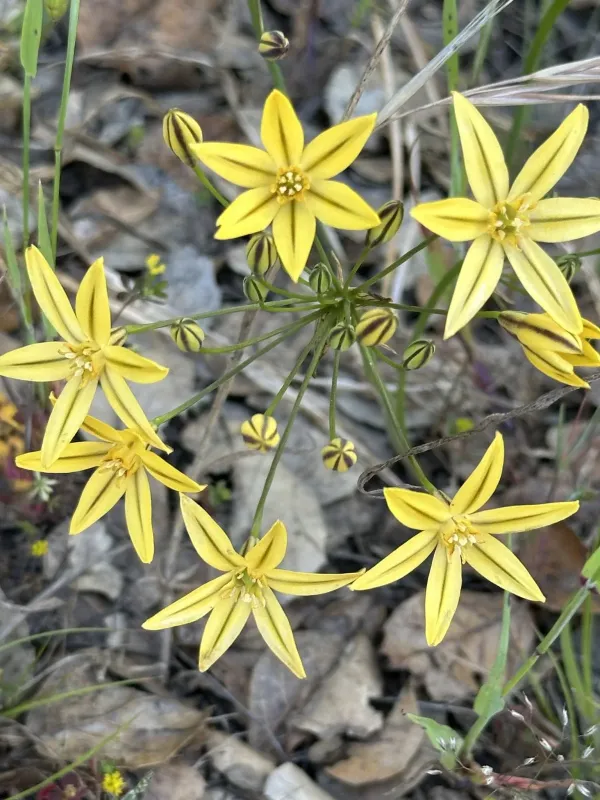
Description
Sowing dates
Planting Triteleia ixioides bulbs should ideally take place in autumn, before the onset of the first hard frosts, allowing the root system to establish during the winter. This ensures a vigorous start for the spring growing season.
In regions with extremely cold winters, spring planting is recommended once the soil temperature consistently reaches 10–12 degrees Celsius. Bulbs should be planted at a depth of approximately 8–10 centimeters.
When creating flower borders, space the bulbs 10–15 centimeters apart to allow for proper airflow and nutrient absorption. Proper spacing helps prevent competition between neighboring plants.
For container-grown Triteleia, it is essential to use a well-draining potting mix to ensure the bulbs do not remain waterlogged. Good drainage is the foundation of successful bulb cultivation in pots.
After the first sprouts appear, ensure the plants receive bright, indirect light. Gradual acclimatization to sun exposure is necessary to prevent the leaves from suffering damage or becoming leggy.
Growing requirements
Triteleia ixioides, a member of the Asparagaceae family, thrives in light, well-draining soils with a neutral to slightly acidic pH level. Sandy loam or loose garden soil is preferred for optimal performance.
This species requires full sun to partial shade for the best bloom production. Adequate sunlight is crucial for maintaining the plant's structural integrity and the vibrant yellow color of the flowers.
Watering should be regular during the active growing season, but it is vital to avoid excessive moisture. The soil should be kept moist but not soggy to prevent bulb rot, which is a common issue for this genus.
Low-nitrogen fertilizers are recommended during the early development stage. Excessive nitrogen can lead to rapid leaf growth at the expense of floral development, resulting in fewer flowers.
The plant is relatively hardy but benefits from winter protection in colder climates. Applying a layer of organic mulch can help regulate soil temperature and prevent damage to the bulbs from frost.
Main diseases and pests
The most significant threat to Triteleia ixioides is fungal root rot, primarily occurring in poorly drained soils. Using high-quality, free-draining substrate is the best preventative measure against soil-borne pathogens.
Onion maggots and other bulb-feeding larvae can damage the root system. Proper crop rotation and the use of insect-repellent soil amendments can help minimize these risks significantly.
Aphids and thrips can occasionally infest the flower stalks. Regular inspection and the use of targeted insecticides or neem oil are effective in controlling these pests before they spread.
Slugs and snails may attack young, tender growth, particularly during wet seasons. Protecting the plants with barriers or organic slug bait can preserve the foliage during the early stages of development.
Viral infections may manifest as foliage mottling or stunted growth. Since there is no cure, infected plants must be removed and destroyed immediately to prevent the spread of the virus to healthy bulbs.
Harvesting
Seed harvesting should be performed after the seed pods have fully matured and dried on the stalk. Collecting the seeds in dry weather prevents moisture-related spoilage during storage.
Bulbs are typically lifted after the foliage has died back naturally, which is a sign of dormancy. Lift the bulbs carefully, clean off excess soil, and allow them to cure in a shaded, ventilated area.
Proper storage involves keeping the cleaned bulbs in a cool, dry place. Using breathable storage materials like mesh bags or dry sawdust ensures the bulbs remain viable until the next planting season.
For cut flower use, harvest the stalks when the buds are just beginning to open. This stage allows the flowers to continue blooming in a vase, providing a longer display period for decorative arrangements.
Division of bulb clusters is recommended every few years to maintain vigorous growth. Separating the offsets allows for propagation and ensures that each bulb has enough space and nutrients to thrive.