
Largeflower triteleia
Triteleia grandiflora
Description
Growing requirements
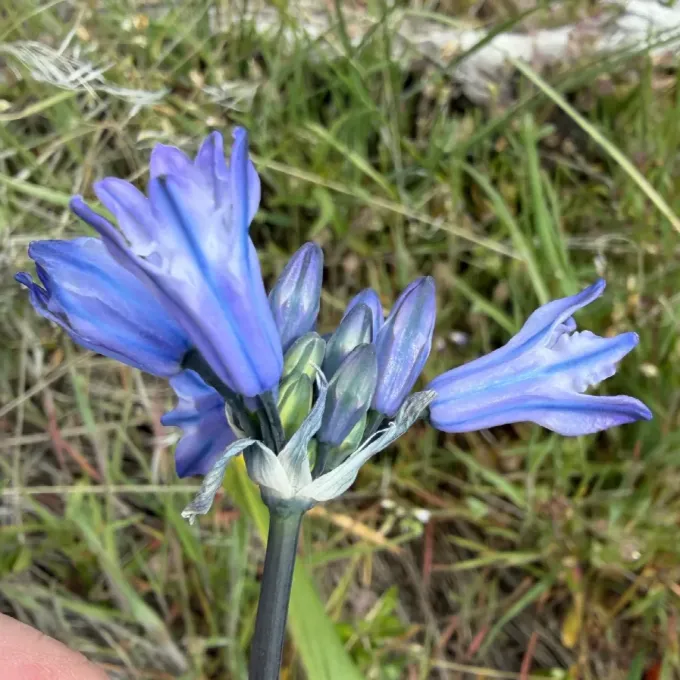
Largeflower triteleia (Triteleia grandiflora) is a perennial bulbous plant belonging to the Asparagaceae family. It is native to the western regions of North America, typically thriving in open meadows, prairies, and open woodlands.
The plant features slender, grass-like basal leaves and produces tall, elegant scapes topped with clusters of star-shaped, sky-blue to violet flowers. Its growth habit makes it a visually striking addition to any landscape.
Optimal growth requires well-draining, nutrient-rich soil with a neutral to slightly acidic pH. Proper drainage is the most critical factor, as stagnant water is lethal to the bulbs, particularly during the dormant season.
In terms of climate, the plant prefers full sun to light shade. It requires a distinct growing season followed by a dry dormancy period. In regions with harsh winters, bulbs should be protected with mulch or lifted and stored in a cool, dry environment.
Economically, this species is highly valued in the nursery trade and for cut flower production. Its ability to maintain longevity in floral arrangements makes it a favorite among professional florists and residential gardeners alike.
Main diseases and pests
The primary threats to Triteleia grandiflora are fungal pathogens such as Botrytis and various root rots, which are commonly triggered by excessive soil moisture and poor airflow.
In terms of pests, bulb mites and aphids can pose significant risks. Effective management strategies involve sourcing healthy bulbs, maintaining strict sanitation in planting areas, and monitoring soil conditions to prevent pest outbreaks.