
Vienna squill
Scilla vindobonensis
Description
Sowing dates
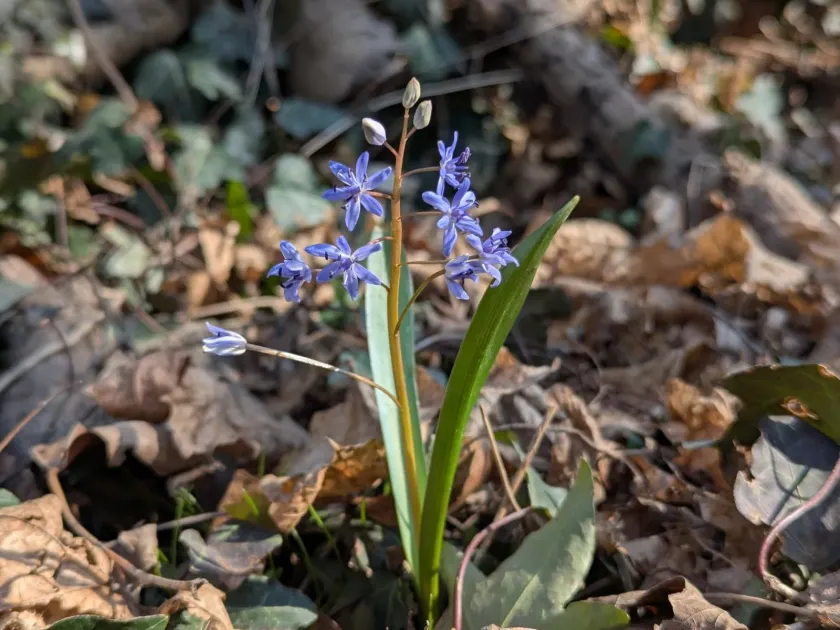
The Vienna squill (Scilla vindobonensis) is a perennial bulbous plant belonging to the Asparagaceae family. It is native to Central and Southeastern Europe and is highly valued for its early spring flowering.
Propagation is primarily vegetative, involving the separation of offsets from the mother bulb. This should be performed during the plant's dormant phase, typically in late summer.
If sowing seeds, they must be fresh or stored under cool conditions to maintain viability. Sow in late summer in a well-draining seedbed, ensuring seeds are lightly covered with soil.
Planting depth for bulbs should be approximately 8–10 centimeters. Proper spacing ensures healthy development and reduces competition between daughter bulbs.
The crop cycle is synchronised with the early spring season, making it an excellent choice for naturalizing in lawns or under deciduous tree canopy systems.
Growing requirements
The plant thrives in fertile, well-draining soils with a neutral pH level. It does not tolerate waterlogged conditions, which can lead to bulb decay during winter months.
While the Vienna squill prefers full sun for vigorous growth, it is highly adapted to semi-shaded areas, as it completes its active growth cycle before the canopy fully closes.
Soil structure should be friable and rich in organic matter. Incorporating leaf mold or compost before planting improves nutrient availability and soil moisture regulation.
This species is exceptionally hardy, capable of surviving harsh winters provided that the bulbs are planted at the correct depth and the soil drainage is adequate.
Maintenance is minimal, requiring only the removal of weeds during the early spring and avoiding any cultivation activity after the foliage has died back.
Main diseases and pests
Fungal pathogens such as Sclerotinia and various forms of bulb rot are the most common issues, particularly when the soil remains too moist for extended periods.
Pests like slugs and snails may consume tender young shoots. Using barrier methods or organic repellents is recommended in areas with high pest pressure.
Bulb flies can lay eggs near the base of the plant, and the larvae may burrow into the bulb, causing permanent damage and stunted growth.
Proper sanitation practices, including the removal of dead foliage, help prevent the overwintering of fungal spores and reduce the overall infection risk.
In case of severe infestation, targeted applications of insecticides or fungicides may be necessary, strictly following local agricultural safety guidelines.