
White asparagus
Asparagus albus
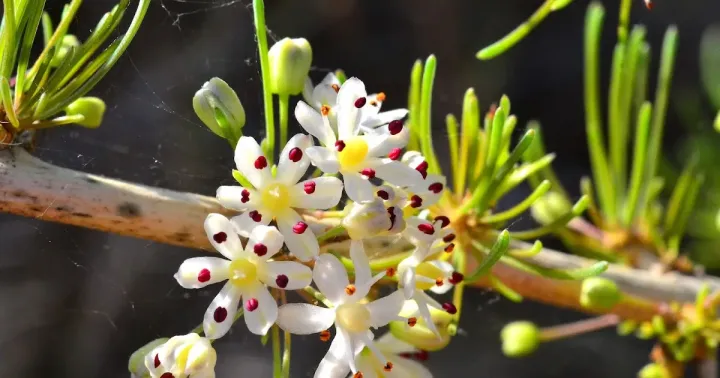
Description
Sowing dates
Sowing white asparagus seeds requires preparation and timing. It is best to sow in early spring once soil temperatures reach at least 15 degrees Celsius. Seeds have a tough coat, so soaking them in water for 48 hours before planting is recommended to improve germination rates.
The use of a greenhouse for initial development is common. Starting seeds in trays allows for a controlled environment, protecting delicate young plants from environmental stresses until they are ready for transplanting into permanent beds.
When sowing directly into the ground, ensure the site is weed-free and well-tilled. Plant seeds about 2 to 3 centimeters deep, ensuring enough space between rows for future mounding.
As the plants develop from seedlings into "crowns," they need consistent moisture. The first year of growth is crucial for establishing the root system, so avoid letting the soil dry out completely during the hot summer months.
Transplanting crowns to their permanent location is usually done in the second spring. Careful spacing, typically 1.5 meters between rows, ensures that there is enough soil available to build the mounds needed for white asparagus cultivation.
Growing requirements
White asparagus (Asparagus albus) thrives in light, sandy, and well-drained soils. Heavy or clay soils should be avoided, as they restrict the growth of straight, tender spears and increase the risk of root rot.
The key to white asparagus is the exclusion of light. Farmers cultivate the plants by creating tall, loose soil mounds over the crowns. This darkness prevents the spears from producing chlorophyll, resulting in their characteristic white color.
Soil pH is a vital factor, with an ideal range between 6.5 and 7.5. If the soil is too acidic, lime should be applied during the preparation phase to optimize nutrient uptake and support plant health.
Climate conditions play a significant role. Asparagus requires a period of winter dormancy to replenish energy reserves. However, early spring frosts must be managed with protective covers to prevent damage to emerging spears.
Nutrition management involves organic matter. Before planting, trenches are often filled with a mixture of compost or well-rotted manure to provide a steady supply of nutrients, which will support the perennial plants for many years.
Yield
The yield of white asparagus is a long-term investment. Harvesting should be strictly avoided in the first two years of the plantation's life to allow the plant to build up massive energy reserves in its crowns.
By the third or fourth year, a light harvest can begin. A typical harvest season lasts about 6 to 8 weeks, depending on the plant's vigor and the environmental conditions during the spring growth phase.
An established, healthy asparagus bed can produce high yields for 15 to 20 years. Consistent fertilization after the harvesting season ends is essential to restore the energy depleted during the production of spears.
Yield metrics typically range from 3 to 6 tons per hectare for mature plantations. The quality and diameter of the spears are as important as the total weight, as thicker, uniform spears command higher market prices.
Management of the foliage after the harvest is critical. The plants need to grow strong ferns throughout the summer to store sugars and carbohydrates that will fuel the production of next season's crop.
Main diseases and pests
Asparagus beetles are a major threat to both the ferns and the spears. Regular monitoring and, if necessary, the application of targeted insecticides are required to prevent defoliation and physical damage to the crop.
Asparagus flies (Platyparea poeciloptera) are particularly damaging, as their larvae tunnel into the spears. This makes the spears hollow and unmarketable, often leading to significant losses if not controlled early.
Fungal diseases like Asparagus Rust can cause severe damage. Symptoms include orange or brown pustules on the stems. Good air circulation and removal of old debris help to minimize the spread of these pathogens.
Fusarium root rot and crown rot are common in poorly drained or waterlogged soils. Ensuring excellent drainage and using certified disease-free crowns are the primary defense strategies against these soil-borne threats.
- Asparagus beetle
- Asparagus fly
- Asparagus rust
- Fusarium wilt
- Aphids
Harvesting
Harvesting white asparagus is a delicate, labor-intensive process performed daily. Farmers monitor the soil mounds for small cracks, which indicate that a spear is pushing through and is ready to be harvested.
Using a specialized long, thin knife, the harvester reaches into the mound, cutting the spear at the base without damaging the rest of the crown or the neighboring developing shoots.
Once the spear is removed, the soil must be immediately leveled and packed back into the mound. This is essential to prevent light from reaching the emerging tips and to maintain the integrity of the soil cover.
Post-harvest handling is critical for quality. Spears must be transported to a dark, cold environment immediately after cutting to prevent them from turning pink or green due to light exposure and respiration.
Grading is performed based on diameter, straightness, and freshness. White asparagus is prized for its tender, mild flavor, and careful handling throughout the supply chain is required to ensure it reaches the consumer in prime condition.