
Triteleia hyacinthina
Triteleia hyacinthina
Description
Sowing dates
Planting Triteleia hyacinthina bulbs is best performed in the autumn season, allowing the root system to establish before winter dormancy. The soil temperature should ideally range between 10 and 12 degrees Celsius for optimal root initiation.
In regions with harsh winters, planting may be delayed until early spring once the soil has sufficiently thawed and warmed up. Planting depth should be maintained at approximately 8 to 10 centimeters to prevent damage from temperature fluctuations.
Spacing is essential for the health of the crop, with 10 to 15 centimeters between bulbs recommended to ensure proper airflow. Adequate spacing significantly reduces the humidity buildup that often leads to fungal infections.
Applying a fungicide treatment to the bulbs before planting is a standard agronomic practice to protect against soil-borne pathogens. This simple step greatly enhances survival rates and promotes vigorous early spring growth.
Careful site selection is critical; the location should be well-drained and protected from cold winds. Preparing the soil with organic matter can improve nutrient availability and moisture retention for the developing bulb.
Growing requirements
Triteleia hyacinthina is a perennial bulbous plant belonging to the Asparagaceae family. Originating from the western regions of North America, it naturally thrives in meadows and open hillsides with well-drained soils.
The culture requires fertile, loamy, or sandy soils that do not hold excess moisture. Poor drainage is the most significant factor that limits the successful cultivation of this species, as it directly leads to root rot.
Sunlight requirements are high, as the plant needs full sun to partial shade to develop strong flower stalks. Insufficient light levels often result in weak, spindly growth and a lower frequency of flowering in subsequent seasons.
During the active growing phase, regular watering is necessary to support biomass development. However, once the flowering period concludes and foliage begins to fade, watering should be strictly reduced to allow the bulb to enter dormancy.
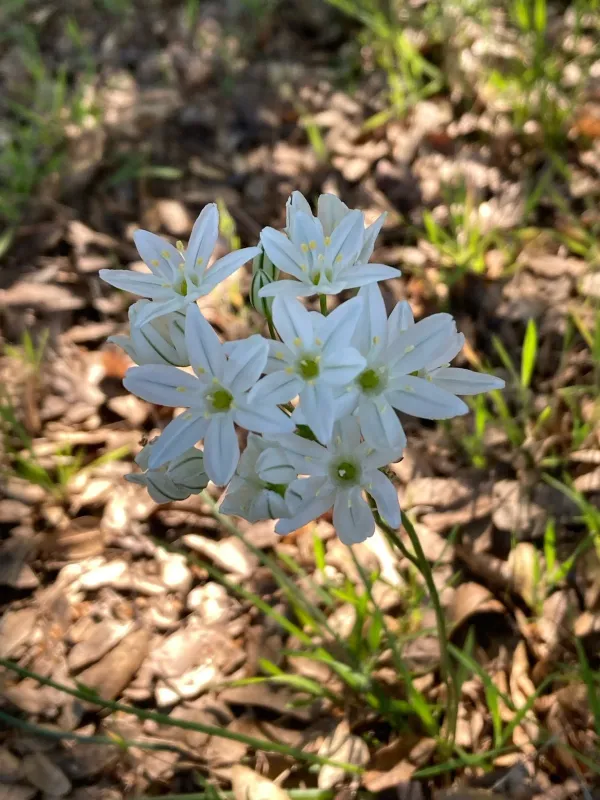
The plant features thin, grass-like leaves and attractive, white to pale blue bell-shaped flowers arranged in umbel-like clusters. Its botanical structure is well-adapted to surviving seasonal cycles of drought and moisture.
Main diseases and pests
Fungal pathogens such as basal rot and Penicillium mold are the most common threats, especially when storage conditions are inadequate. Maintaining low humidity and good ventilation in storage is essential for bulb longevity.
Soil pests like bulb mites or onion flies can cause severe structural damage to the root system. Using preventive insecticidal soil treatments can significantly reduce the impact of these pests on the plant population.
Aphids can be a major issue during the budding stage, as they feed on the nutrient-rich sap and deform the flower clusters. Early intervention with suitable insecticides is required to maintain the aesthetic and biological health of the plants.
Rodents such as voles may consume the bulbs during the winter period. Utilizing physical barriers like wire mesh baskets during planting provides an effective, non-chemical way to protect the crop from mammal damage.
Sanitation practices are vital in the field; removing dead foliage and debris at the end of the season prevents the accumulation of inoculum. This proactive approach significantly lowers the pressure from recurring diseases.