
Triteleia peduncularis
Triteleia peduncularis
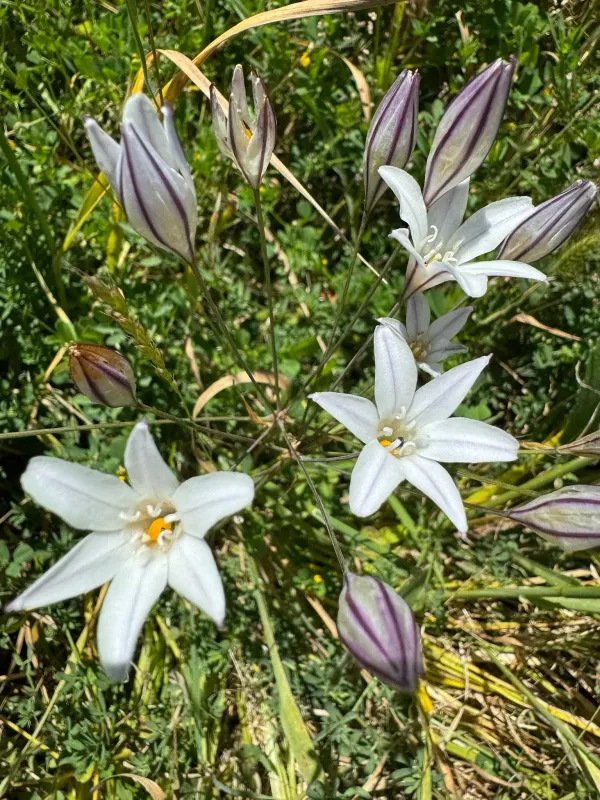
Description
Sowing dates
Planting Triteleia peduncularis bulbs is best performed in the autumn season, allowing the roots to establish before the onset of extreme winter temperatures. This timing is crucial for optimal spring growth.
In regions with harsh climates, bulbs can be planted in early spring as soon as the ground thaws and warms up. The bulbs should be placed at a depth of approximately 10 to 12 centimeters in well-prepared soil.
Choosing an appropriate site is vital; the location should be sheltered from high winds to protect the slender flower stalks. Plant bulbs 10–15 centimeters apart to allow for proper air circulation.
In warmer zones, the plants can remain in the soil year-round. In colder regions, applying a layer of organic mulch such as leaf mold or straw is necessary to provide thermal insulation for the dormant bulbs.
For improved results, soaking bulbs in a growth stimulant solution for a few hours before planting can enhance root development and support more vigorous flowering during the summer months.
Growing requirements
Triteleia peduncularis, a member of the Asparagaceae family, is a perennial bulbous plant that requires specific soil conditions to thrive. It absolutely demands excellent drainage to prevent rot during the dormant phase.
The plant performs best in full sun, where it receives sufficient energy for strong stalk production. While it may tolerate partial shade, excessive shade often results in weak, spindly growth and reduced flower counts.
A light, nutrient-rich, and slightly acidic to neutral soil is ideal. If the native soil is heavy clay, incorporating grit or horticultural sand will significantly improve aeration and moisture management.
While the plant is somewhat drought-tolerant once established, consistent moisture is required during the active growing season. However, standing water must be avoided to prevent fungal infections of the bulb.
- Full sun exposure
- Well-drained soil
- Consistent moisture in spring
- Mulch for winter protection
Yield
The economic value of this plant lies in its high ornamental potential for both landscape design and the floral trade. A healthy bulb produces a sturdy stalk crowned with a cluster of distinct, delicate flowers.
Flowering occurs in mid-to-late summer, filling a gap in the garden when many spring-blooming bulbs have faded. Productivity is directly correlated with the size and vitality of the planted bulb.
Triteleia propagates efficiently through the formation of offsets. A single mature bulb can produce several smaller daughter bulbs each season, allowing for steady expansion of a flower bed.
Commercial nurseries often manage this plant to increase bulb stocks for wholesale. With proper care, the propagation rate is sufficient to maintain a profitable inventory of healthy planting material.
Cut flowers of Triteleia peduncularis are highly valued for their longevity in vases. They remain fresh for up to two weeks, making them a popular choice for professional florists and home bouquets.
Main diseases and pests
The primary threats include fungal pathogens, particularly those causing root and bulb rot. These issues are often exacerbated by poor drainage and excessive soil moisture during the dormant period.
Soil-borne pests such as onion flies can occasionally damage the bulb tissue. Treating the planting area with preventive measures or using certified clean stock significantly mitigates these risks.
Grey mold (Botrytis) may affect the foliage during periods of high humidity and poor ventilation. Keeping the planting site clean and removing debris helps to prevent the spread of fungal spores.
Thrips and aphids may feed on the developing buds, causing distortion and reduction in flower quality. Monitoring and early intervention with systemic insecticides are effective management strategies.
Slugs and snails can cause significant mechanical damage to young leaves during wet weather. Using physical barriers or bait traps is standard practice for protecting young plants in damp environments.
Harvesting
Harvesting flower stems for decorative use is best done when the lower florets are open, but the upper buds are still in the coloring phase. Early morning is the best time to perform the harvest.
Avoid cutting the foliage immediately after flowering, as the leaves are essential for photosynthesis and energy storage in the bulb. Wait until the leaves yellow naturally before trimming them.
If bulbs are to be stored or divided, harvest them in late summer when the plant enters deep dormancy. Carefully lift the bulbs to avoid bruising, which can act as an entry point for disease.
After cleaning, store bulbs in a cool, airy environment at roughly 15 degrees Celsius. Packing them in dry peat or sawdust prevents desiccation while keeping them in a state of suspended animation.
Professional post-harvest handling ensures that the bulbs remain viable and productive for the next season, maintaining the overall health and vigor of the planting stock.