
Schizocarphus nervosus
Schizocarphus nervosus
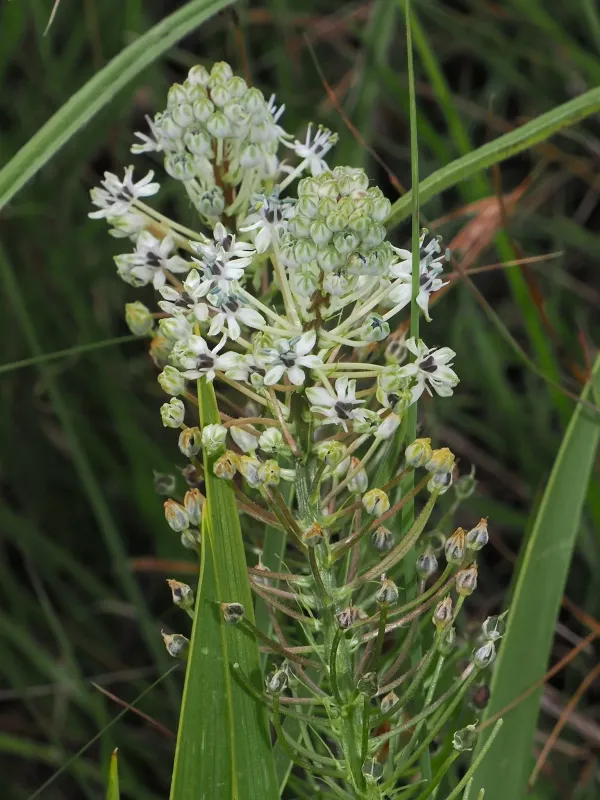
Description
Growing requirements
Schizocarphus nervosus is a perennial bulbous plant belonging to the Asparagaceae family, recognized for its distinctive leaf venation pattern.
The plant originates from Southern Africa, where it thrives in rocky, well-drained soils and is adapted to specific seasonal rainfall patterns.
Botanically, it features a basal rosette of leaves with prominent longitudinal nerves, which provides its common and specific identification names.
Successful cultivation requires a sunny location to maintain plant vigor, as insufficient light will cause the leaves to become etiolated and weak.
The substrate must provide excellent drainage; waterlogged soil will quickly lead to the decay of the bulb, which is the primary organ of energy storage for the plant.
Main diseases and pests
The most common issues for Schizocarphus nervosus involve fungal infections in the root system caused by overwatering and high humidity.
Pests such as spider mites may infest the plant during the active growing season, particularly if the surrounding air is excessively dry and stagnant.
Bulb rot is a serious threat that often results from the presence of pathogenic soil fungi, necessitating the use of fungicides during the planting phase.
Aphids can cause significant damage by feeding on young foliage, potentially transmitting viral diseases that reduce the plant's overall health.
Integrated pest management strategies, such as regular sanitation and monitoring, are essential to ensure the longevity of the bulbs in a cultivation setting.