
Muscari adilii
Muscari adilii
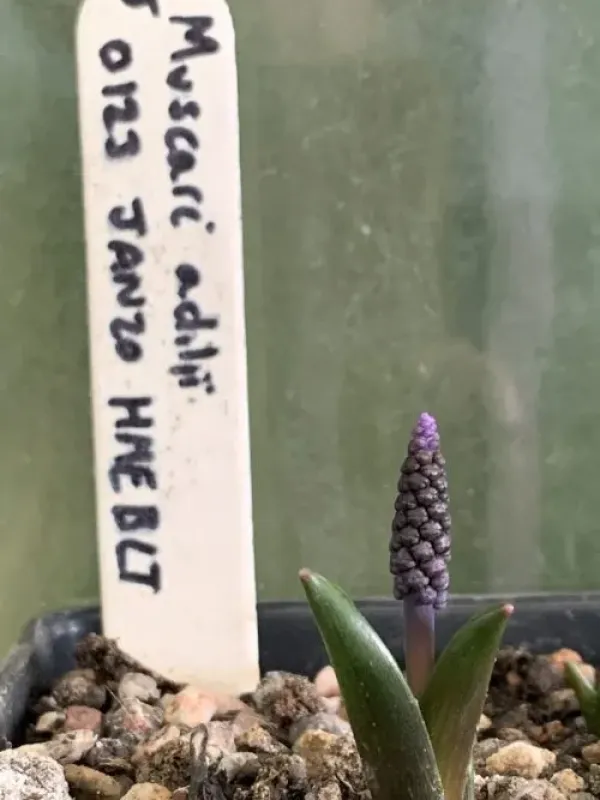
Description
Growing requirements
Muscari adilii is a rare bulbous species within the Asparagaceae family, native to specific high-altitude regions in Turkey. As a member of the genus Muscari, it exhibits the characteristic ephemeral growth cycle typical of Mediterranean-climate bulbous flora.
The plant is highly specialized, favoring well-drained, gritty, or rocky soils that prevent water stagnation. In a garden setting, it thrives in spots that receive maximum sunlight, which is crucial for the maturation of the bulb following the flowering stage.
Climatic requirements demand a distinct separation between a moist growing season and a dry dormant season. While it is adapted to mountain conditions, protection from excessive winter rain is vital to prevent bulb rot, as moisture management is the cornerstone of its survival.
Botanically, Muscari adilii is distinguished by its unique floral morphology, which serves as a valuable trait for botanical enthusiasts. The leaves are typically narrow and basal, appearing before the flower spike emerges in early spring.
Cultivation practices focus on mimicry of its natural habitat. It is rarely grown for commercial mass markets, being mostly preserved in private collections and specialized botanical nurseries, where careful attention is paid to substrate composition and drainage.
Main diseases and pests
The primary threats to Muscari adilii are soil-borne fungal pathogens such as Fusarium and Penicillium species. These infections are frequently induced by overwatering or poor drainage, which causes the bulbs to decompose prematurely.
Pests, particularly bulb mites and root aphids, pose significant risks to the health of the bulb. These pests weaken the plant, making it more susceptible to secondary infections and viral diseases, which can spread rapidly through the collection.
Preventative measures include the use of fungicidal dips before planting and maintaining a clean, weed-free environment. Regular inspection of the bulb store is essential to identify early signs of softening or mold growth.
Slugs and snails can cause damage to the tender spring foliage. Implementing physical barriers or using baits is recommended to protect the plants during their most active growth phase in the early spring.
Effective management requires a proactive approach to plant health. Monitoring for signs of viral mosaic or stunted growth allows for the isolation and removal of infected plants, protecting the remaining stock in the garden.