
Mountain star-of-Bethlehem
Ornithogalum montanum
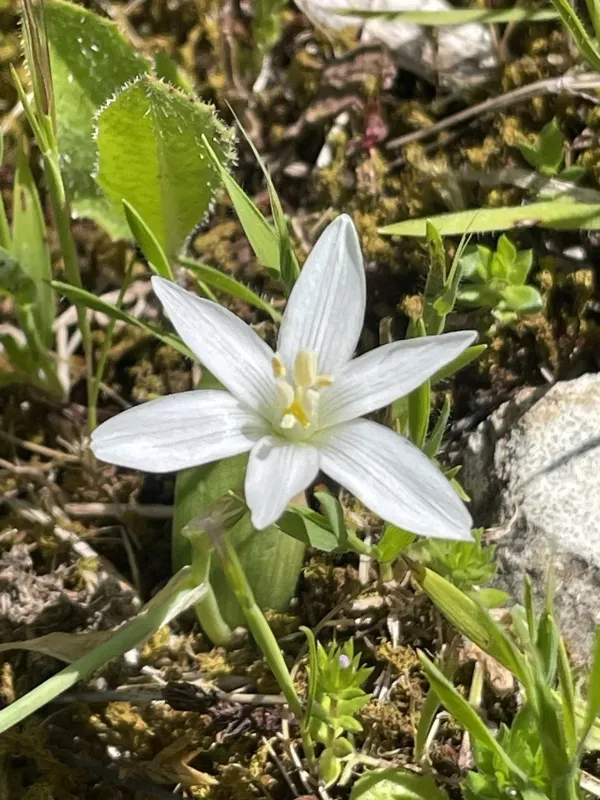
Description
Sowing dates
Planting of Ornithogalum montanum bulbs is best performed in late summer or early autumn. This timeframe allows the bulbs to establish a solid root system before the onset of winter frost, ensuring a strong and healthy start for the next spring season.
When selecting a planting site, choose a location with full sun or partial shade. Ensure the soil is well-draining, as the plant is highly susceptible to root rot if water lingers around the bulbs for extended periods during the dormant months.
The bulbs should be planted at a depth of 8–10 centimeters. Proper spacing of 10–15 centimeters is recommended to allow each plant enough room to develop and propagate successfully through the formation of offsets or baby bulbs.
For seed propagation, sowing is typically done in autumn to allow for natural stratification throughout the winter. While this method is slower than planting bulbs, it is an effective way to propagate the species on a larger scale.
Ensure that the soil is prepared by incorporating coarse sand or fine grit if the natural ground is heavy clay. This simple amendment significantly improves aeration and prevents the fatal accumulation of moisture around the bulb's base.
Growing requirements
The mountain star-of-Bethlehem is a perennial plant belonging to the Asparagaceae family. Originating from the mountainous regions of Southern Europe, it is naturally adapted to survive in harsh rocky environments with thin, poor quality soil.
This species is highly appreciated for its early spring flowering, producing white, star-shaped blossoms that add beauty to rock gardens and borders. The plant maintains a compact habit, rarely exceeding 15–20 centimeters in height.
Climatically, it prefers temperate regions where it experiences a distinct winter dormancy. It is highly cold-hardy, provided that the soil does not freeze while saturated with water, which is why drainage remains the most critical requirement.
Fertilization should be kept to a minimum; a light application of a balanced, low-nitrogen fertilizer at the start of the growing season is sufficient. Excess fertilizer can lead to weak, elongated growth and reduced resilience against diseases.
Once the flowering period concludes and the foliage begins to wither, the plant enters a period of total rest. It is essential to avoid excessive irrigation during this time, allowing the bulbs to dry out partially to ensure successful development for the next year.
Main diseases and pests
The primary threats to this culture are fungal diseases, particularly Fusarium rot and bulb rot. These conditions are almost exclusively triggered by inadequate drainage and excessive moisture, which create the perfect environment for pathogenic fungi.
Pests such as onion flies and bulb mites can occasionally attack the underground parts of the plant. In damp spring conditions, slugs and snails may graze on the foliage, potentially disfiguring the plant and reducing its overall aesthetic appeal.
Fungal infection management relies heavily on prevention. Treating bulbs with a specialized fungicide before planting is a standard and effective practice. Furthermore, ensuring that the soil is loose and aerated reduces the risk of long-term infection.
Practicing crop rotation is essential for long-term health. Avoid planting Ornithogalum in the same area for more than five years to prevent the buildup of soil-borne pathogens and pests that specifically target bulbous ornamental plants.
Regular weeding and monitoring of the planting area help detect early signs of stress or infestation. By keeping the site clean and removing debris, you minimize the habitats where pests might hide and reproduce throughout the growing season.